

 Krit Ariyathiti
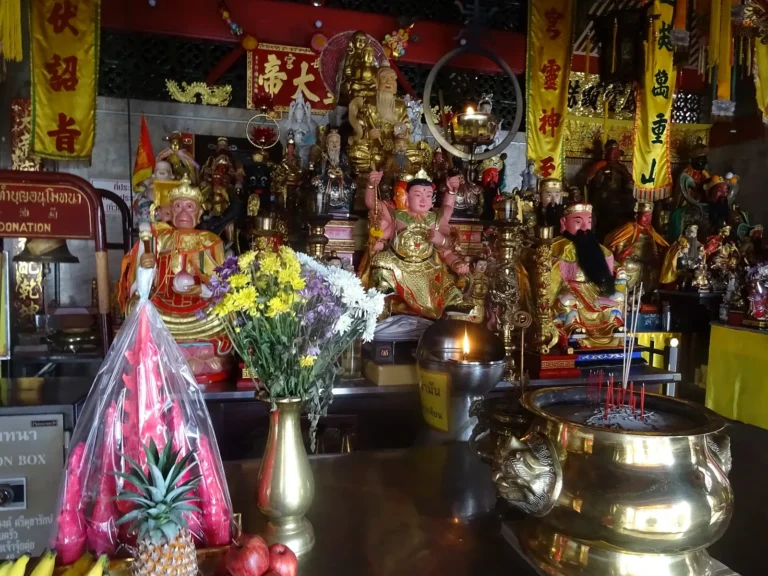
The Phuket Vegetarian Festival is one of the most colourful events in southern Thailand, with Chinese shrines, street processions, firecrackers and stalls full of plant-based food. This guide explains the Phuket Vegetarian Festival dates, the role of the Jui Tui Shrine, the best vegetarian festival food to try and how the event connects to the Nine Emperor Gods Festival.
Quick answer: The festival takes place over the first nine days of the ninth Chinese lunar month, so it usually falls in September or October and the dates move each year. Most guides trace its roots to the early 1800s in Kathu, and the main shrines in Phuket Town, including Jui Tui, hold ceremonies and processions. Visitors are welcome, but they should dress modestly, follow shrine rules and expect loud firecrackers.
What is the Phuket Vegetarian Festival?
The Phuket Vegetarian Festival is a religious festival of Phuket's Chinese community. During these nine days, devotees avoid meat and other foods to purify body and mind. In addition, shrines across the island hold ceremonies, and processions move through the streets of Phuket Town.
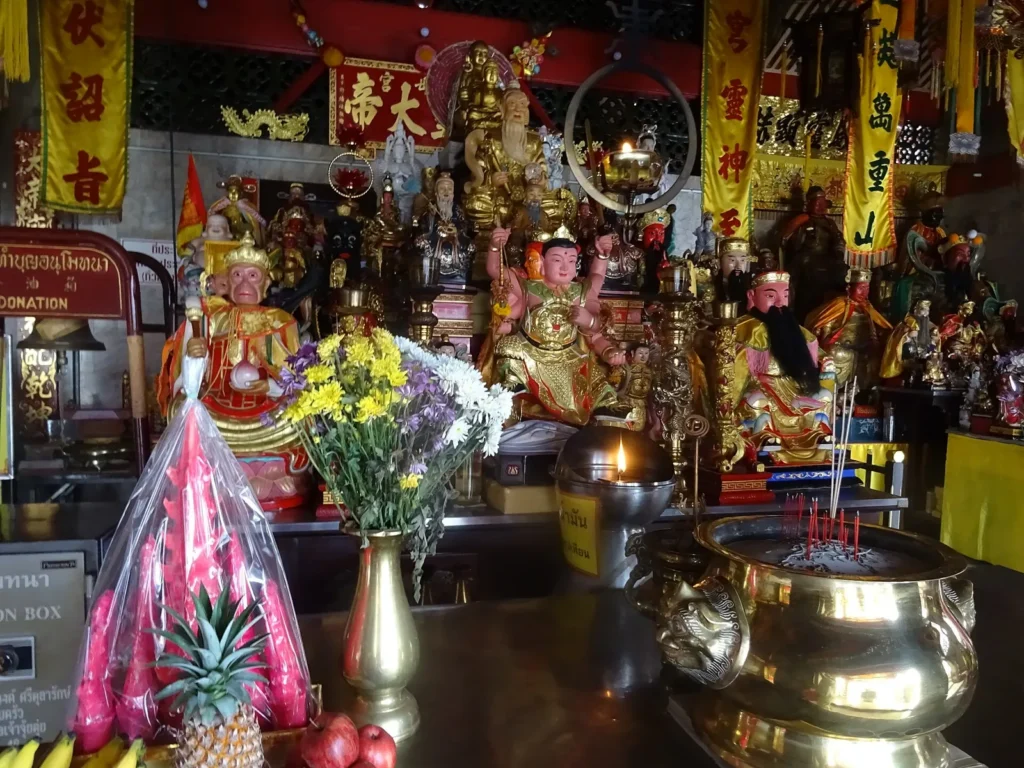
For visitors, the festival is a chance to see a living tradition up close. However, it is a religious event first. So, think of yourself as a guest at someone else's ceremony, not as an audience at a show.
The Nine Emperor Gods Festival connection
The Phuket event is part of the wider Nine Emperor Gods Festival, which Chinese communities in Southeast Asia celebrate in the ninth lunar month. In Phuket, the festival is known for its intensity and its street processions. For this reason, it draws visitors from across Thailand and abroad.
Guides commonly tell the story of a Chinese opera troupe that visited Kathu in the early 19th century, fell ill and recovered after keeping a strict vegetarian diet. Most guides then say the practice spread from Kathu to other shrines. Since accounts differ in their details, treat the origin story as tradition rather than precise history.
Phuket Vegetarian Festival dates
The Phuket Vegetarian Festival dates follow the Chinese lunar calendar. The festival runs over the first nine days of the ninth lunar month, which usually means late September or October. As a result, the dates change every year.
Because each shrine sets its own programme, check the schedule shortly before you travel. Also, local tourism offices and shrines publish the times of the main processions. In short, if you want to see the festival, plan around the lunar calendar rather than a fixed month.
| What | When | Notes |
|---|---|---|
| Festival period | First nine days of the ninth lunar month | Usually September or October |
| Processions | Mornings, on set days | Each shrine has its own schedule |
| Food stalls | Throughout the festival | Busiest in Phuket Town in the evening |
| Closing night | Last night of the festival | Often the loudest, with many firecrackers |
The Jui Tui Shrine and other shrines
The Jui Tui Shrine in Phuket Town is one of the shrines most closely linked to the festival. It sits near the old town, so it is easy to combine with a walk through the historic streets. During the festival, the shrine is decorated and very busy.
Other well-known shrines include Bang Niew in Phuket Town and the shrine in Kathu, where many guides say the festival began. However, each shrine is a place of worship. Therefore, speak quietly, follow any instructions from volunteers and do not block the altars or the path of a procession.
What to expect at the processions
The processions are the most famous part of the festival. Devotees carry shrine images through the streets, while drums play and firecrackers explode along the route. Some participants, believed to be in a trance, perform acts of devotion that can be confronting to watch.
If you are sensitive to such scenes, you can enjoy the festival in other ways. For example, visit the shrines in the evening, walk the food streets or watch from a distance. Also, protect your ears and eyes, because the firecrackers are very loud and debris flies close to the crowd.
Vegetarian festival food to try
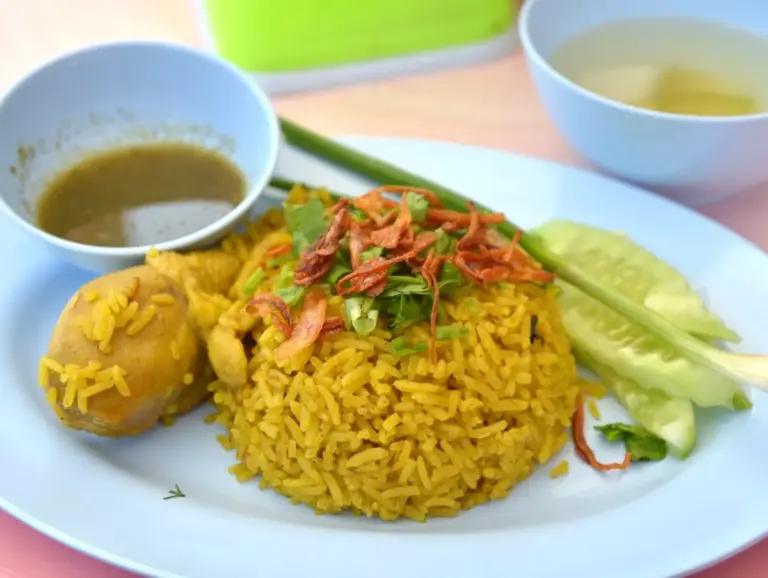
Vegetarian festival food is a highlight for many visitors. Stalls across Phuket Town sell plant-based versions of Thai and Chinese dishes, from noodles and curries to dumplings and sweets. Many guides say yellow flags with red characters mark stalls that follow the festival rules.
- Look for yellow flags to find festival food.
- Try mock-meat dishes, which are popular during the festival.
- Go in the evening, when the food streets are busiest.
- Bring small notes for street stalls.
For more about the island's everyday cooking, read our Phuket food guide. Meanwhile, our Phuket Old Town guide covers the streets around the main shrines.
Etiquette for visitors
- Dress modestly. Many guides suggest wearing white, especially near the shrines.
- Avoid meat and alcohol at the shrines and food streets during the festival.
- Ask before you take close-up photos of people.
- Stay behind the crowd line during processions.
- Wear earplugs and closed shoes near the firecrackers.
These simple steps help you enjoy the festival while respecting the people who keep the tradition alive. In fact, locals are usually welcoming to visitors who show respect.
Where to stay on your road trip
The festival is centred on Phuket Town, but you do not need to stay there the whole time. Many travellers spend a few nights in Phuket, then drive north across the bridge into Phang Nga and on to Krabi. Ao Luek in the north of Krabi is a calm stop on that route, close to springs and caves such as Than Bok Khorani National Park. Our Phuket airport to Krabi guide explains the drive.
At a glance: 17 houses from 1,200 to 2,000 baht per night, air conditioning in every house, free breakfast, free Wi-Fi and a swimming pool, at 97/1 Moo 1, Ao Luek Nuea, Krabi.
We recommend Ban Kamnan Resort in Ao Luek Nuea. For couples who want a bigger bed after the noise of the festival, House #E, #F and #G each have one 6 ft bed, one bathroom and 35 m², and each sleeps two for 1,350 baht per night. Like every house, they have air conditioning. Guests share the resort's swimming pool, and breakfast of toast, fried eggs and hot coffee is free. Prices match the resort's listing, so check your dates and book on Booking.com.
Frequently asked questions
It runs over the first nine days of the ninth Chinese lunar month, usually in September or October. Dates change every year, so check the schedule before you travel.
Yes, visitors are welcome to watch processions, visit shrines and eat festival food. Dress modestly, follow shrine rules and keep a respectful distance.
Many guides suggest light, modest clothes, often white, plus closed shoes and earplugs because of the firecrackers.
The food streets and shrines can be fun for families. However, the processions are loud and some scenes are intense, so consider watching from a distance with young children.
Final thoughts
The Phuket Vegetarian Festival is loud, moving and full of flavour, and it shows a side of Phuket that beach visitors rarely see. To sum up: plan around the lunar calendar, dress modestly, protect your ears and eat at the yellow-flag stalls. Then slow down with a quiet stay in Ao Luek. Check availability at Ban Kamnan Resort on Booking.com and plan your trip.