


 Krit Ariyathiti
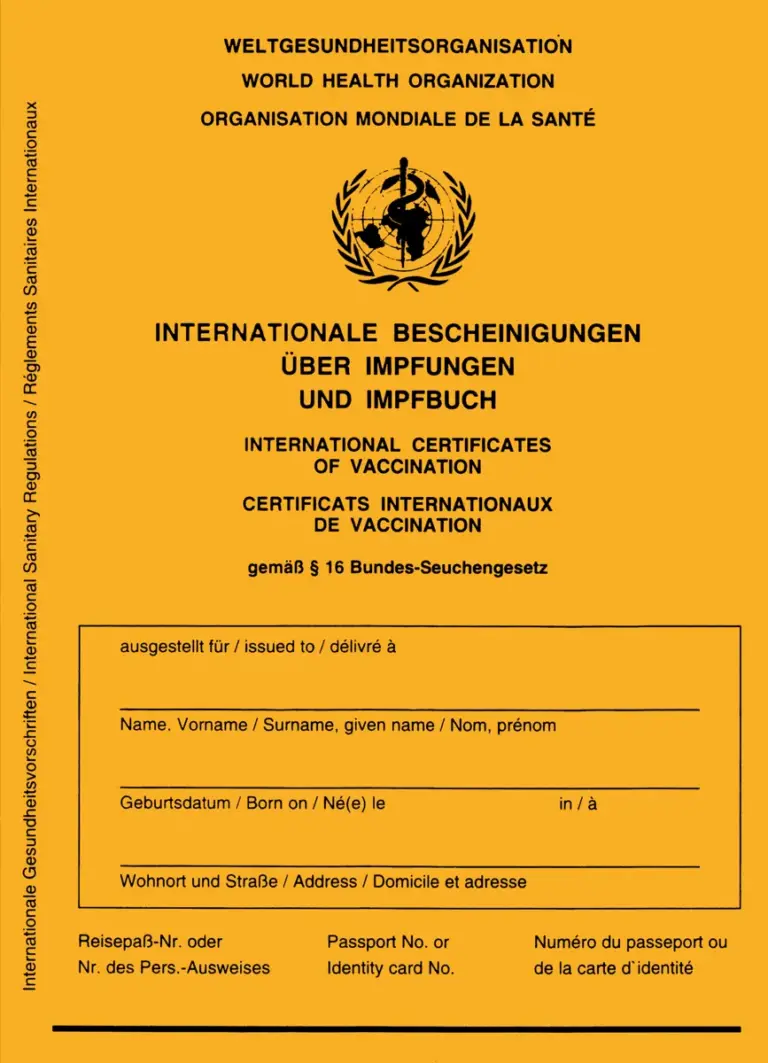
Planning your Thailand travel vaccinations early saves stress, because some vaccines need several doses over weeks. This guide covers the routine shots most travellers get, the hepatitis A vaccine Thailand advice, when a Japanese encephalitis vaccine Thailand trip may need one, whether to get a rabies vaccine Thailand visitors sometimes consider, and how to avoid dengue in Thailand, which has no routine travel vaccine. It is general information, not medical advice, so see a doctor or travel clinic before you go.
Quick answer: As of November 2026, the US CDC recommends hepatitis A for unvaccinated travellers to Thailand aged one year or older, and hepatitis B for unvaccinated travellers under 60. Typhoid, Japanese encephalitis and rabies depend on your route, season and activities. A yellow fever certificate is needed only if you arrive from or through a listed risk country. Visit a travel clinic four to six weeks before departure.
Which Thailand travel vaccinations do most visitors need?
Most short beach and city trips need fewer shots than people expect. First, make sure your routine vaccines are up to date, such as measles, tetanus and the seasonal flu shot. Then, add the travel vaccines that suit your plans.
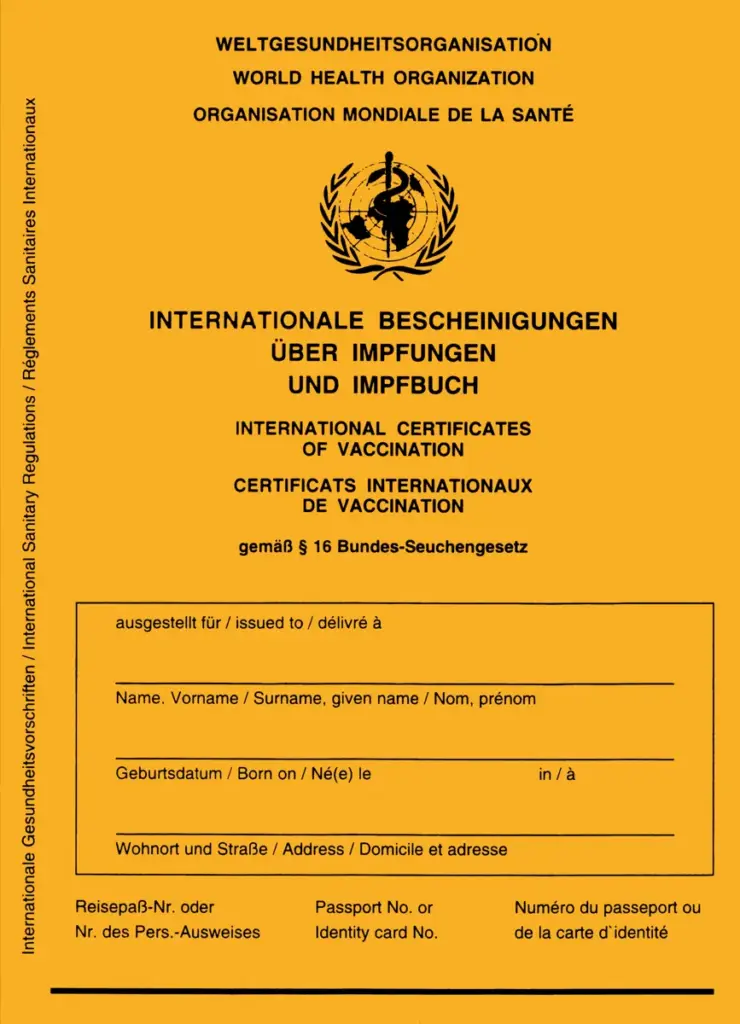
Here is a simple overview based on CDC guidance, as of November 2026:
| Vaccine | Who it is usually advised for |
|---|---|
| Routine vaccines | Everyone, before any trip |
| Hepatitis A | Unvaccinated travellers aged 1 and over |
| Hepatitis B | Unvaccinated travellers under 60; older travellers may choose it |
| Typhoid | Many travellers, especially if eating widely outside hotels |
| Japanese encephalitis | Long stays or frequent trips to affected rural areas |
| Rabies | Long stays, rural travel, or work with animals |
| Yellow fever | Only a certificate rule for arrivals from risk countries |
However, your own doctor decides what you need. Age, pregnancy, health conditions and past vaccines all change the advice. Therefore, bring your vaccination record to the appointment.
Do you need a hepatitis A vaccine for Thailand?
Yes, for most people. The CDC lists the hepatitis A vaccine Thailand travellers aged one year or older should get if they are not already protected. Hepatitis A spreads through contaminated food and water, so even careful eaters can be exposed.
Fortunately, the vaccine is widely available and well tolerated. One dose before travel gives good short-term protection, and a second dose later gives long-term cover, according to travel health guidance. So, ask for it at your first clinic visit.
In addition, simple habits help. For example, wash or sanitise your hands before eating, and choose busy stalls where food is cooked fresh. Our guide to Thailand tap water explains how locals handle drinking water.
Should you get hepatitis B and typhoid shots?
Hepatitis B is recommended by the CDC for unvaccinated travellers under 60. It spreads through blood and body fluids, for example through medical treatment, tattoos or unprotected sex. Many people already had it as children, so check your records first before you book Thailand travel vaccinations.
Typhoid is also spread through food and water. The CDC treats it as a consideration based on risk, while many travel clinics suggest it for adventurous eaters and longer trips. As a result, it is often given with hepatitis A at the same visit. Both oral and injected versions exist, so ask which suits you.
When is a Japanese encephalitis vaccine for Thailand needed?
The CDC does not recommend the Japanese encephalitis vaccine Thailand short city trips would need. Instead, it suggests it for people staying a month or longer in affected areas, or travelling there often. The virus spreads through mosquitoes, and transmission is widespread outside Bangkok.
Season matters too. According to CDC material, seasonal epidemics occur in the northern provinces from May to October. So, a long rainy-season stay in rural Chiang Mai or Chiang Rai is a different risk from a week in Phuket. Also, the vaccine usually needs two doses, so start early.
Should you get a rabies vaccine for Thailand?
Rabies is present in Thailand, and dogs, cats and monkeys can carry it. The CDC calls pre-exposure vaccination a decision to make with a doctor. In general, the rabies vaccine Thailand visitors consider most often suits long stays, rural travel, cycling trips and anyone working with animals. A rabies vaccine Thailand travellers consider needs several doses, so ask your doctor early.
Importantly, pre-exposure shots do not remove the need for care after a bite. Instead, they simplify treatment. So, if an animal bites or scratches you, wash the wound with soap and water for several minutes and see a doctor the same day. In Bangkok, the Queen Saovabha Memorial Institute of the Thai Red Cross is the national rabies centre and also runs a travel clinic. Meanwhile, avoid feeding or touching monkeys and street dogs, even friendly ones.
How do you avoid dengue in Thailand?
Dengue in Thailand is common, including in cities, and cases rise in the rainy season from about May to October. There is no routine dengue vaccine for most travellers, and Thailand travel vaccinations cannot replace bite prevention, which is the main protection. Moreover, the mosquitoes that spread dengue bite during the day.
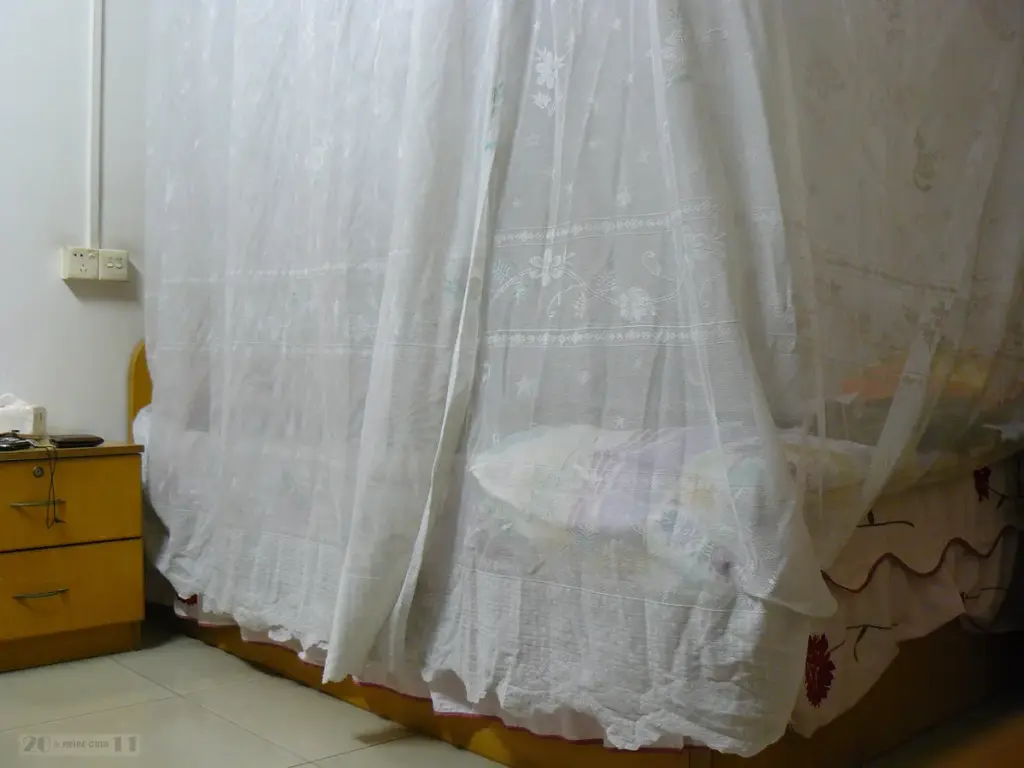
So, use a repellent with DEET, picaridin or similar, wear light long sleeves at dawn and dusk, and sleep under a net or in an air-conditioned room. If you get a sudden high fever, see a doctor. Guides warn against taking ibuprofen or aspirin for an unexplained fever in Thailand until dengue is ruled out.
Malaria is a smaller concern for most visitors. The CDC notes risk mainly in some border areas, not in Bangkok or the main beach destinations. Still, ask your clinic if you plan jungle treks near the borders.
Do you need a yellow fever certificate for Thailand?
Only in specific cases. Thailand requires a yellow fever vaccination certificate from travellers aged nine months and older who arrive from, or transit through, a country with yellow fever risk, according to Thai embassy guidance. Most visitors from Europe, North America and Australia do not need it. Our Thailand entry requirements guide covers the other documents.
Do you need travel insurance as well?
Thailand travel vaccinations lower the risk, but they do not pay hospital bills. Private hospitals in Thailand are good but can be expensive. Therefore, travel insurance with medical cover is strongly recommended, even though it is not required for most tourist entries. Our guide to Thailand travel insurance explains what to check, and is Thailand safe covers wider health and safety tips.
Where to stay: a healthy, slow end to your trip in Krabi
After a busy itinerary, a quiet base helps you rest. For example, you can fly to Krabi airport and drive about 54 to 71 minutes to Ao Luek, depending on traffic. Our Ao Luek travel guide covers the mangroves, parks and caves nearby.
At a glance: 17 houses from 1,200 to 2,000 baht per night, air conditioning in every house, free breakfast, free Wi-Fi and a swimming pool, at 97/1 Moo 1, Ao Luek Nuea, Krabi.
We recommend Ban Kamnan Resort in Ao Luek Nuea as the next leg of your trip. For a small family, House #4 or #9 has one 5 ft bed and one 3.5 ft bed, one bathroom and 32 m², and sleeps three for 1,350 baht per night. Every house has air conditioning, which also helps keep mosquitoes out. In addition, guests share the swimming pool, and breakfast of toast, fried eggs and hot coffee is free. Check your dates on Booking.com.
Frequently asked questions
Most travellers need routine vaccines plus hepatitis A. The CDC also recommends hepatitis B for unvaccinated people under 60. Typhoid, Japanese encephalitis and rabies depend on your trip.
Ideally four to six weeks before departure, because some vaccines need more than one dose. Even a last-minute visit is still worth it.
Not routinely. Most travellers rely on repellent, long sleeves and nets, especially in the rainy season.
Only if you arrive from or through a country with yellow fever risk. Most visitors from Europe, North America and Australia do not.
Wash the wound with soap and water for several minutes, then see a doctor the same day for rabies treatment, even if you had pre-exposure shots.
Final thoughts
Thailand travel vaccinations are simple once you match them to your plans. To sum up: update routine shots, get hepatitis A, ask about hepatitis B and typhoid, add Japanese encephalitis or rabies only for long or rural trips, and protect yourself from mosquitoes every day. Book a travel clinic early, then relax. Check availability at Ban Kamnan Resort on Booking.com for a calm stay in Krabi.








