

 Krit Ariyathiti

Thailand is one of the most popular bases for digital nomads in Thailand and across Asia, thanks to good internet, easy food and a long-stay visa built for remote work. This guide compares the best places for digital nomads in Thailand, explains the DTV visa for remote workers, looks at coworking in Chiang Mai and other hubs, and covers the basics of Thailand tax for digital nomads, with a quiet option in Krabi at the end.
Quick answer: As of November 2026, most remote workers who stay longer than a holiday use the Destination Thailand Visa (DTV), a 5-year multiple-entry visa that allows up to 180 days per entry. Chiang Mai and Bangkok have the deepest nomad communities, Phuket and Koh Phangan mix work with beaches, and Krabi suits people who want quiet. Stays of 180 days or more in a calendar year can make you a Thai tax resident, so plan your remittances. This is general information, not legal or tax advice.
Best places for digital nomads in Thailand
Each hub has a different rhythm for digital nomads in Thailand. Therefore, match the place to how you work.
| Base | Best for | Pros | Watch out for |
|---|---|---|---|
| Chiang Mai | First-time nomads, community | Many cafés and coworking spaces, lower rent | Smoky season, usually around February to April |
| Bangkok | Fast pace, big-city services | Transport, hospitals, international flights | Higher rent and traffic |
| Phuket | Beach plus city services | Airport, hospitals, many long-stay rentals | Higher prices in the high season |
| Koh Phangan | Island community | Strong nomad scene | Ferry links, island prices |
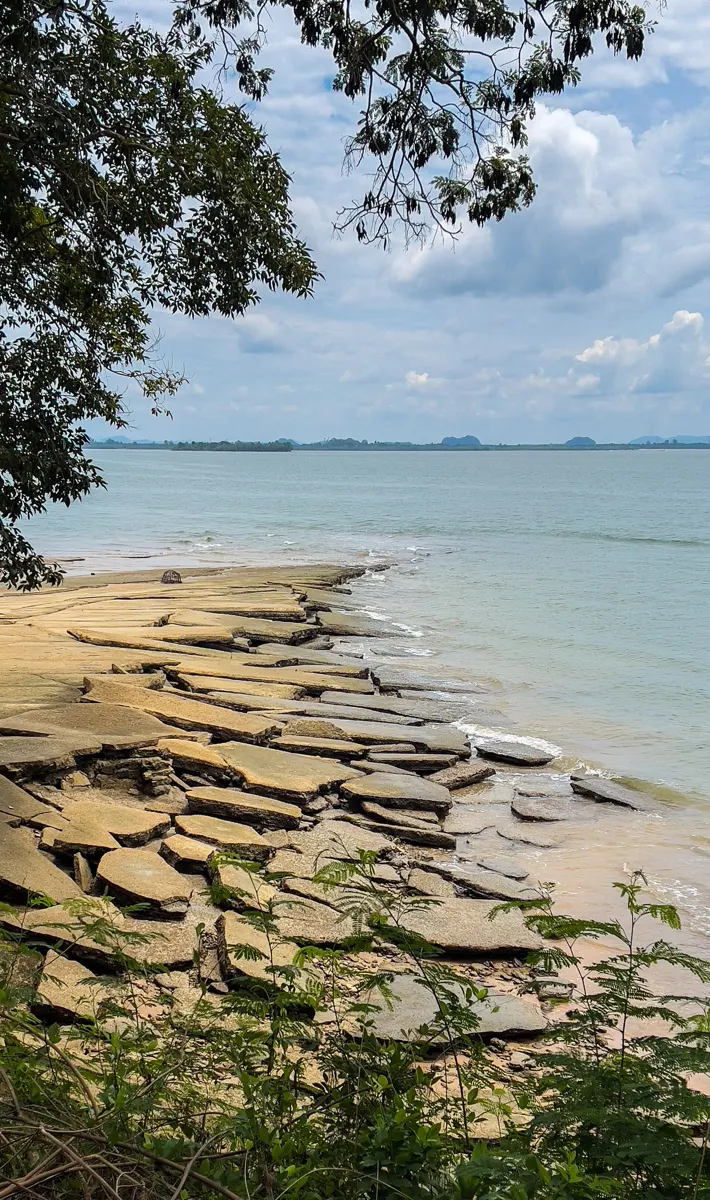
| Krabi | Quiet, nature, slow travel | Calm, limestone scenery | Fewer coworking spaces |
Overall, the best places for digital nomads in Thailand balance three things: reliable internet, affordable rent and a community. For example, Chiang Mai scores well on all three, which is why many people start there.
The DTV visa for remote workers
The DTV visa for remote workers is the main long-stay option for people employed or contracted by companies outside Thailand. As of November 2026, sources describe it as a 5-year multiple-entry visa with stays of up to 180 days per entry, plus one in-country extension of up to 180 days.

Here are the key points, according to recent guides that cite the official e-Visa site:
- Fee: about 10,000 baht, though the amount varies by embassy.
- Proof of funds: about 500,000 baht in savings.
- Where to apply: online at thaievisa.go.th, from outside Thailand.
- Proof of remote work: an employment contract or freelance work for clients abroad.
- Background check: guides report a criminal record certificate requirement for applications from late August 2026.
For details, our Thailand DTV visa guide explains each step. Also, for short scouting trips, see our Thailand entry requirements guide first. Alternatively, higher earners can look at the Long-Term Resident (LTR) visa run by the Board of Investment, which has stricter income tests.
Coworking in Chiang Mai and other hubs
Coworking in Chiang Mai is the easiest to find in Thailand. The Nimman and Old City areas have many cafés and dedicated spaces, and day passes are common. In addition, Bangkok has large coworking chains in its business districts, while Phuket and Koh Phangan have smaller, community-style spaces.
By contrast, Krabi is different for digital nomads in Thailand. Our digital nomad Krabi guide notes that coworking is thin compared with Chiang Mai or Phuket, so many remote workers mix a few café days with a good setup at their accommodation. As a result, Krabi suits focused, independent workers more than people who want daily networking.
Internet, SIM cards and backups
Fortunately, fast home internet is widely available in Thai cities, and many condos include it. However, power cuts and storms do happen, especially in the rainy season. Therefore, keep a backup:
- A local SIM with a big data allowance, so you can hotspot during an outage. Our Thailand eSIM guide explains the new passport and face-scan rules.
- Offline copies of key files and travel documents.
- A coworking day pass for important calls.
- A small power bank for your phone.
Thailand tax for digital nomads: the basics
Notably, Thailand tax for digital nomads is the part people most often overlook. According to several 2026 tax guides, anyone present in Thailand for 180 days or more in a calendar year becomes a Thai tax resident, whatever their visa. Furthermore, under a Revenue Department ruling, foreign income earned from 2024 onwards and brought into Thailand by a tax resident can be taxable in the year it is remitted.
Admittedly, some guides mention proposed relief, but they also say it had not become law as of mid-2026. So, keep records of what you earn and what you transfer, and speak to a Thai tax adviser or the Revenue Department before you move money. This is general information, not tax advice.
Cost of living for remote workers
Of course, your budget depends on the city and your lifestyle. As of November 2026, guides put a lean month for one person at roughly 25,000 to 40,000 baht in Chiang Mai and higher in Bangkok, with central one-bedroom condos at about 15,000 to 16,000 baht in Chiang Mai. Our cost of living in Thailand guide breaks this down by city. For health cover on a long stay, read our expat health insurance Thailand guide.
Frequently asked questions
Most digital nomads in Thailand use the Destination Thailand Visa (DTV), which allows up to 180 days per entry over 5 years. Higher earners may qualify for the LTR visa. Always check the official e-Visa site before you apply.
For many people, yes, because of its cafés, coworking spaces and lower rent. However, the smoky season, usually around February to April, leads some nomads to move to the islands for those weeks.
Yes, they can. For example, if you stay 180 days or more in a calendar year, you become a tax resident, and foreign income remitted to Thailand may be taxable. Get advice from a Thai tax adviser.
The DTV is designed for remote work for employers and clients outside Thailand. Working for Thai companies usually needs a work permit, so check the rules before you take local work.
Overall, Krabi is good for quiet, focused work and nature. However, it has fewer coworking spaces and a smaller nomad community than Chiang Mai or Phuket.
Digital nomads in Thailand: try a slow month near Krabi
At a glance: 17 houses from 1,200 to 2,000 baht per night, air conditioning in every house, free breakfast, free Wi-Fi and a swimming pool, at 97/1 Moo 1, Ao Luek Nuea, Krabi.
So, if you want to test a quieter base, fly to Krabi. From Krabi airport, Ao Luek is about 54 to 71 minutes by road, according to transfer listings, as our Krabi airport to Ao Luek guide explains.
There, we recommend Ban Kamnan Resort in Ao Luek Nuea for a trial stay. For a couple or a solo worker who wants more space, House #1 and #2 each have a one-bedroom layout with a 5 ft bed, one bathroom and 42 m², and sleep two for 1,800 baht per night. Like every house, they have air conditioning. Also, guests share the swimming pool, and breakfast of toast, fried eggs and hot coffee is free. Prices match the resort's listing, so check your dates on Booking.com.
Final thoughts
For digital nomads in Thailand, the DTV has made long stays far simpler. Start by choosing a base that fits your work: Chiang Mai for community, Bangkok for services, the islands for beach life, or Krabi for calm. Then, get your visa from the official site, keep an internet backup, and plan your tax position early. In short, the paperwork is manageable, and the daily life is the reward.