

 Krit Ariyathiti
Dropshipping is a way to sell products online without holding stock: you list an item, a customer pays you, and a supplier ships the order directly to the customer. It looks simple, but you stay responsible for the sale, the customer service and the legal duties of any retailer. This guide explains how dropshipping works, what to check before you start, the costs and risks, and a Thailand-focused checklist. It is general information as of November 2026, not legal, tax or financial advice, and it makes no income promises. Also, this guide covers a dropshipping refund policy.
Quick answer: In dropshipping, you act as the retailer and the supplier acts as the warehouse. Shopify's help centre says a dropshipper must meet the same legal requirements as any retailer, including product safety, clear shipping times and fees, and a published refund policy (Shopify Help Center). The FTC adds that the seller remains responsible when a drop shipper fails to deliver (FTC). So choose reliable suppliers, order samples first, and tell customers honestly how long delivery takes.
How does dropshipping work?
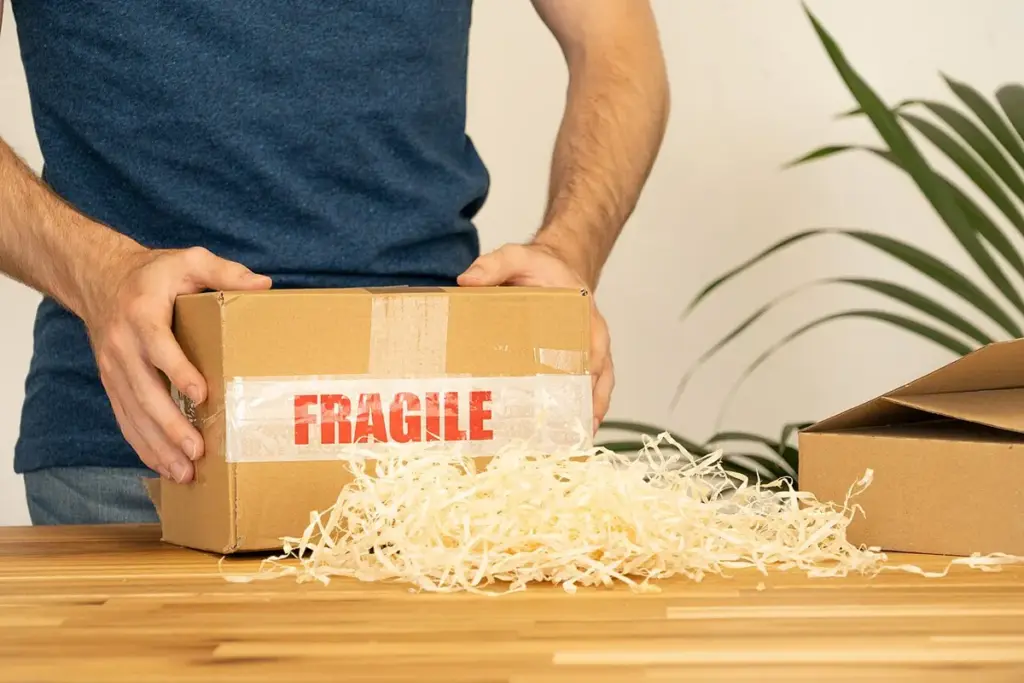
The flow has five steps. First, you list a product in your store or on a marketplace at your own price. Second, a customer pays you. Third, you send the order to your supplier and pay the supplier's price. Fourth, the supplier packs and ships the parcel to the customer. Finally, you handle questions, tracking and returns.
Your profit is the difference between your selling price and the supplier's price, minus fees, advertising and refunds. Because you never touch the goods, you cannot check quality yourself unless you order a sample. That is the central trade-off: low upfront stock cost, but less control over what the customer receives.
Is dropshipping still worth starting in 2026?
It can still work as a low-stock way to test products, but it is not a shortcut to easy money. Competition is high, margins are thin and customers expect fast delivery. However, there are no reliable official statistics on how many dropshippers succeed, so be wary of anyone who quotes one.
Instead, a realistic view is to treat dropshipping as a test method. For example, you can try three products with small advertising budgets, learn what customers ask, and then decide whether to hold stock for the winners. Our guide to starting an online store shows the other steps that come with any shop.
How do you find dropshipping suppliers?
Supplier quality decides your reputation. Shopify advises reading reviews and policies, talking to the supplier, and buying samples to assess quality and measure processing and delivery times (Shopify Help Center). Use this checklist for dropshipping suppliers:
- Order a sample to your own address and time the delivery.
- Ask about processing time, not only shipping time.
- Check the return process and who pays for returns.
- Confirm packaging and branding options, such as a plain invoice with your shop name.
- Ask for product safety documents where the product needs them.
- Test support by sending two questions and measuring the reply time.
- Keep a backup supplier for your best-selling product.
Also, you can find suppliers through wholesalers, local manufacturers, marketplace sellers and apps connected to your store. Names change fast, so judge each one by the checklist rather than by reputation alone.
What are the legal duties in dropshipping?
Because you are the seller, the same consumer rules apply as for any shop. Shopify lists the key points:
- Product safety. Confirm that products are safe and carry any licences, markings or warnings that your market requires, in the local official language.
- Product liability. You can be held liable for unsafe goods even though you never handle them.
- Recalls. Remove recalled products and inform customers where the law requires it.
- Shipping information. Disclose shipping times and fees, including import or customs charges, before checkout, and tell customers that a third party ships the order.
- Refund policy. Publish a current, accurate policy, because a missing one can lead to account action.
The FTC's order rule for sellers in the United States is stricter on timing. It says you need a reasonable basis for any shipping time you state, and without a statement you need a basis to ship within 30 days. If you cannot ship on time, you must offer a clear choice to accept the delay or cancel with a refund (FTC). Rules differ elsewhere, so read your own market's law or ask a lawyer.
How does dropshipping in Thailand work?
Selling from Thailand adds local checks. First, many sellers use marketplaces and social commerce, so read each platform's seller rules for restrictions on supplier shipping, since policies differ and change. Our guides to selling on Shopee and Lazada and TikTok Shop for sellers cover the platforms.
Second, if your supplier is overseas, import taxes matter. BDO reports that from 1 January 2026, imported goods valued at 1 baht or more face 7 percent VAT and import duties in Thailand, ending the old exemption for parcels under 1,500 baht (BDO). Platforms, couriers and Thailand Post collect these in different ways, so confirm the current rules with the Customs Department before you price products.
Third, online selling may need registration. Advisers report that the Department of Business Development runs an e-commerce registration scheme with a "DBD Registered" mark, and that a 2024 notice exempted some legal entities while direct-marketing rules may still apply. These details have changed, so check dbd.go.th and ask an accountant. Our accounting software guide and PromptPay for business guide cover records and payments.
What does a dropshipping refund policy need?
A clear dropshipping refund policy protects you and your customers. Shopify says it should cover the return window, the return address, who pays the return cost, refund timing and your contact details (Shopify Help Center). In practice, add three more lines:
- Damaged or wrong item: what proof you need, such as a photo.
- Lost parcel: when you will refund or resend.
- Supplier returns: whether the customer returns to you or to a different address, since a supplier address may be overseas.
Then write it in plain language, link it from the footer and checkout, and keep it consistent with what your supplier actually accepts.
How should you set dropshipping shipping times?
Dropshipping shipping times are where most complaints start, so plan them carefully. First, add the supplier's processing time to the carrier's delivery time, then add a safety margin. State the range before checkout, not afterwards, and explain that a third party ships the order. If a delay happens, tell the customer early and offer a clear choice, as the FTC and Shopify both recommend.
What are the costs and risks?
| Cost or risk | What to check |
|---|
|—|—|
| Platform fees | Subscription, transaction and payment fees on your chosen platform |
|---|---|
| Product cost | Supplier price, which can change without notice |
| Advertising | Testing budget before any sales |
| Refunds and chargebacks | Returns, lost parcels and payment disputes |
| Import taxes | VAT and duty on cross-border parcels |
| Reputation | Slow delivery or poor quality is blamed on you |
Next, consider platform pricing carefully. Our comparison of WordPress, Shopify and Wix and the Shopify for beginners guide describe the options without hype.
A four-week starter plan
- Week 1: Pick one product category, find three suppliers and order samples.
- Week 2: Build a simple store with honest product pages, shipping times and a refund policy.
- Week 3: Run a small, capped advertising test and record questions from customers.
- Week 4: Review profit after all costs, and decide to continue, change supplier or stop.
Need help with dropshipping?
Develop Marketing helps businesses with social media, AI content, SEO, AEO and GEO, WordPress websites and advertising, including online store pages and product content. We do not promise sales or income. See our services page (in Thai) or contact us.
Frequently asked questions
Yes in most places, but you must follow the same laws as any retailer, including product safety, honest shipping information and refunds. Rules vary by country, so check your own market.
It depends on your structure, turnover and platform. Check current rules with the Department of Business Development, the Revenue Department and an accountant.
There is no fixed figure. Costs include a platform plan, samples, a testing budget and payment fees, so check each provider's pricing page.
Rules differ by platform and can change. Read each platform's seller policy on fulfilment and shipping before you list products.
You are, as the seller. The FTC says the party soliciting the order is treated as the seller, even when a drop shipper fulfils it.
Final thoughts
Dropshipping lowers the cost of testing products, but it does not lower your responsibility to customers. Choose suppliers by samples and written policies, state delivery times honestly, publish a clear refund policy, and account for import taxes if you ship from abroad. Start small, measure the real profit after every cost, and be ready to stop if the numbers do not work.