
 Krit Ariyathiti
Omnichannel marketing means giving customers one connected experience across every place they meet your business: your website, social media, chat apps, email, ads and your physical shop. This guide explains omnichannel vs multichannel, how to connect your channels step by step, how UTM parameters and cross-channel attribution show what really works, and why first-party data sits at the centre.
Quick answer: Omnichannel marketing starts with the customer, not the channel. First, map the few channels your customers actually use. Next, keep your message, prices and offers consistent everywhere. Then connect the channels so a customer can switch from Instagram to your website to LINE chat without starting over. After that, tag every link with UTM parameters and read cross-channel results in Google Analytics. Finally, collect first-party data with clear consent so you can follow up personally. Begin with two or three channels and connect them well before adding more.
What is omnichannel marketing?
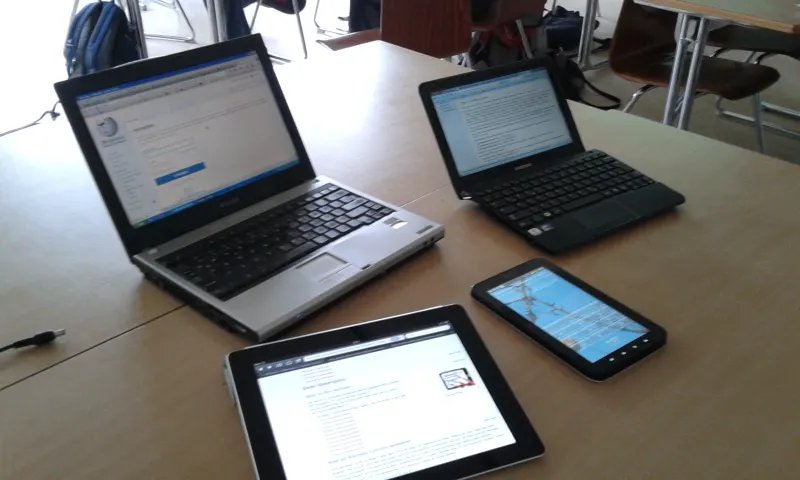
Omnichannel marketing treats all your channels as one system. A customer might see your Short on YouTube, read a review on Google, ask a question in a chat app and finally buy on your website or in your shop. In an omnichannel setup, each step knows about the others. For example, the chat reply links to the same offer the ad showed, and the receipt email suggests the next step.
The goal is simple: remove friction. Customers should never have to repeat themselves, hunt for a price they saw elsewhere or wonder whether two accounts belong to the same business. As a result, trust grows and more people complete the journey.
What is the difference between omnichannel vs multichannel?
People often confuse omnichannel vs multichannel, because both use several channels. The difference is whether the channels work together.
| Multichannel | Omnichannel |
|---|
|—|—|—|
| Focus | Each channel separately | The customer across all channels |
|---|---|---|
| Message | Can differ by channel | Consistent everywhere |
| Data | Stored in separate tools | Connected where possible |
| Customer experience | Starts over on each channel | Continues from channel to channel |
| Example | Different promos on Facebook and the website | One promo, one code, linked from every channel |
In short, multichannel means being present in many places. Omnichannel, on the other hand, means those places act like one business. Most small businesses start multichannel, then move toward omnichannel one connection at a time.
How do you build an omnichannel marketing plan?
You do not need expensive software to begin. Instead, follow these steps:
- Map the customer journey. Write down how a typical customer finds you, compares options and buys. Our marketing funnel guide helps with the stages, and a clear buyer persona keeps the map realistic.
- Pick your core channels. Choose two or three that matter most, for example Google search, Instagram and LINE. Our digital marketing fundamentals guide explains how to choose.
- Make the basics consistent. Use the same business name, logo, opening hours, prices and tone on every channel. Update your Google Business Profile at the same time as your website.
- Connect the hand-offs. Add your website and chat links to every social profile. Then add social and chat buttons to your website, and put a QR code in your shop that opens your chat account.
- Use one offer at a time. Run each promotion with the same code and landing page everywhere, so customers never see conflicting deals.
- Follow up after the sale. Send a thank-you message, ask for a review and suggest a next purchase through email or chat.
For a business in Thailand, a LINE Official Account often becomes the hub, because many customers prefer to chat there. Meanwhile, international customers may prefer email or WhatsApp, so ask people how they want to be contacted.
How do UTM parameters help?
UTM parameters are short tags added to the end of a link. They tell Google Analytics where a visitor came from. According to Google Analytics Help, the main parameters include:
- utm_source: where the traffic comes from, such as instagram or newsletter
- utm_medium: the type of channel, such as social, email or cpc
- utm_campaign: the name of your campaign, such as november_promo
For example, a link in your Instagram bio might end with `?utm_source=instagram&utm_medium=social&utm_campaign=november_promo`. Then, in Google Analytics, you can see how many visits and bookings that link produced. In addition, keep a simple spreadsheet of your tagged links, and always use lower case so "Instagram" and "instagram" do not split into two sources.
How does cross-channel attribution work?
Cross-channel attribution decides which channels get credit for a sale when a customer used several of them. Without it, the last click usually gets all the credit, and channels that start the journey look useless.
According to Google Analytics Help, as of November 2026 GA4 offers data-driven attribution, which spreads credit across touchpoints based on your own data, plus last-click options. The older first-click, linear, time-decay and position-based models were removed in November 2023. Therefore, most small businesses can simply keep the default data-driven model and compare it with last click to see which channels help early in the journey.
Remember, though, that attribution is never perfect. Some steps happen offline or in private chats, so combine the data with simple questions such as "How did you hear about us?" at checkout or in your booking form.
Why does first-party data matter?
First-party data is information customers share with you directly: email addresses, chat history, purchase records and preferences. It is the glue of omnichannel marketing, because it lets you recognise the same customer on different channels and send relevant follow-ups.
Collect it carefully. Ask for clear consent, explain how you will use the data and make it easy to unsubscribe. Privacy laws, such as Thailand's Personal Data Protection Act and the EU's GDPR, set rules for this. This guide is general information, not legal advice, so check the rules that apply to your business. Our guide to email marketing for small business covers consent-based list building in more detail.
Once you have permission, use the data to help, not to spam. For example, remind a customer about an abandoned booking, or send a tip related to what they bought. Paid tools such as retargeting ads can also reach past visitors, as long as your consent and cookie settings allow it.
How do you measure omnichannel marketing?
Keep the scorecard short. Track a few numbers each month:
| Goal | KPI | Where to find it |
|---|
|—|—|—|
| Reach | New users by source and medium | Google Analytics |
|---|---|---|
| Engagement | Chat conversations, email clicks | LINE OA or email tool |
| Conversion | Leads, bookings, sales by channel | Google Analytics, booking or shop system |
| Loyalty | Repeat customers, reviews | Shop records, Google Business Profile |
Then look for breaks in the journey. If many people click from social media but few book, the landing page or offer may need work. Likewise, if chat enquiries are high but sales are low, your reply speed or follow-up may be the issue.
Common omnichannel marketing mistakes
- Too many channels too soon. Connect two or three well before adding more.
- Inconsistent prices or offers. Customers notice, and trust drops.
- Untagged links. Without UTM parameters, you cannot tell which channel worked.
- Ignoring offline steps. Phone calls and walk-ins are part of the journey too.
- Collecting data without consent. Above all, be clear and respectful with personal data.
Further reading in Thai
If you read Thai, our original guide All Digital (in Thai) explains full-funnel and omnichannel planning with examples from the Thai market.
Need help with omnichannel marketing?
Develop Marketing helps businesses with social media, AI content, SEO, AEO and GEO, WordPress websites and advertising. If you want help connecting your website, social media, chat and ads into one system, see our services page (in Thai) or contact us.
Frequently asked questions
It is making all your channels, such as your website, social media, chat, email and shop, work together so customers get one smooth, consistent experience wherever they meet you.
No. A small business can start by keeping its message consistent, linking its channels together and tagging links with UTM parameters, all with free tools.
Multichannel means being present on several channels. Omnichannel means those channels are connected and consistent, so a customer can move between them without starting over.
Google Analytics with UTM-tagged links, a Google Business Profile, one or two social accounts and a chat or email tool are enough for most small businesses at the start.
Final thoughts
Omnichannel marketing is less about being everywhere and more about being connected. Start with the channels your customers already use, keep every message and offer consistent, tag your links and read cross-channel results honestly. Over time, omnichannel marketing turns scattered posts and ads into one clear path that customers can follow from first look to repeat purchase.