Krit Ariyathiti
Print on demand is a way to sell custom products, such as T-shirts, mugs and posters, without holding stock: a supplier prints and ships each item only after a customer orders it. This guide explains how print on demand works, what it costs, how marketplace rules and copyright apply, and what a Thai seller should check, as of November 2026. It is general information, not financial or legal advice, and it makes no promise of profit, because margins depend on your designs, prices and marketing. Also, this guide covers the print on demand business model and print on demand fulfillment.
Quick answer: In print on demand, you create the design and set the retail price, your customer pays you, and you then pay the supplier for the blank product, printing and shipping. Printful's pricing page says there are "no upfront costs" and that you only pay for fulfillment once a customer orders. However, shipping, taxes and extras are charged separately, so work out your real margin before you list anything.
What is print on demand and how does it work?
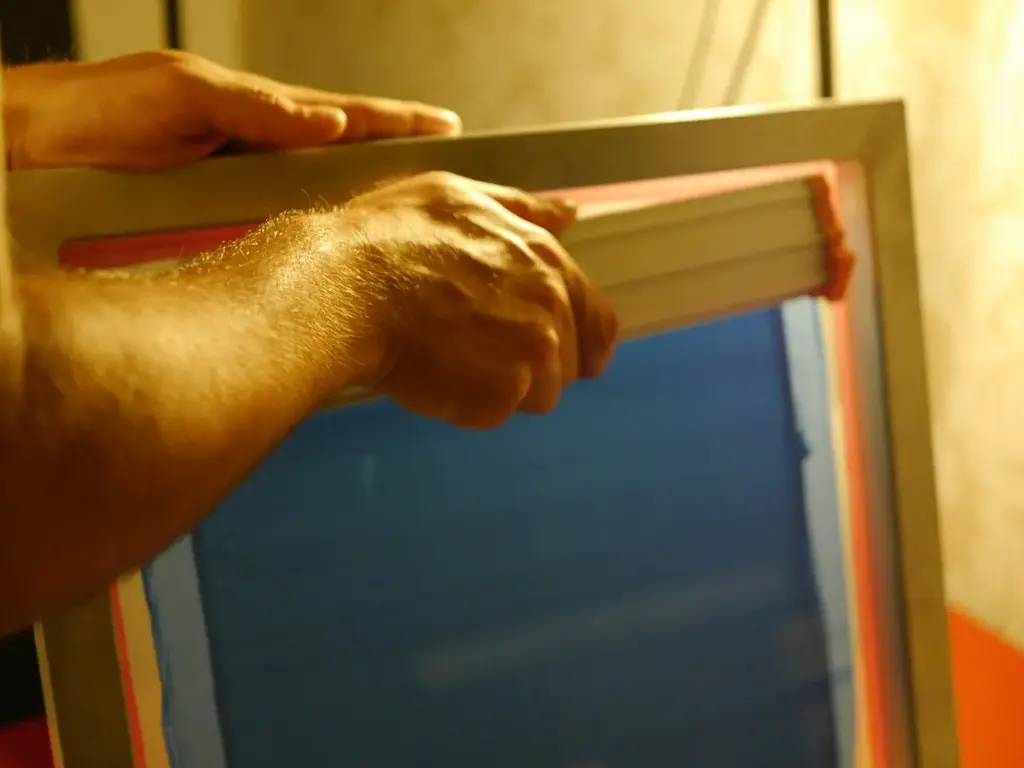
Print on demand, often shortened to POD, separates design from production. You provide artwork and a product choice. A fulfillment partner stores blank items, prints your design when an order arrives, packs the parcel and ships it to the buyer.
The usual flow has five steps:
- Choose a niche and a product. Start with one product type, such as a tote bag or a poster.
- Create an original design. Use your own artwork or properly licensed material.
- Connect a supplier to your shop. The supplier's app links to your store or marketplace.
- Customer orders and pays you. You set the price and keep the difference after costs.
- Supplier prints and ships. You handle customer service and refunds.
Because the supplier makes each item after the sale, you avoid unsold stock. In exchange, you give up some control over quality, speed and packaging. For that reason, order samples first.
How does a print on demand business make money?
A print on demand business earns the gap between your retail price and your costs. Also, the costs usually include the base product, printing, shipping, payment fees, marketplace fees, taxes and your own advertising. In addition, Printify's pricing page uses an example of a T-shirt with a fulfillment cost that excludes shipping and taxes, and Printify notes that the product cost covers one item with one print.
A simple margin check looks like this:
| Line | What to include |
|---|
|—|—|
| Retail price | What the customer pays, including any shipping you charge |
|---|---|
| Fulfillment cost | Blank product plus print, from the supplier's price list |
| Shipping | Supplier's charge to the destination |
| Fees | Payment processor, marketplace or platform fees |
| Advertising | Cost to win each order |
| Margin | What remains before tax |
Do not estimate from memory. Instead, use the supplier's calculator, add your fees, and test a sample order. Our guide to dropshipping explains similar margin and refund questions.
What does print on demand fulfillment cost?
Print on demand fulfillment pricing differs by supplier, and the figures change. In addition, as of November 2026, two public examples show the common models.
- Printful. The free plan has no monthly fee, and you pay per order. Its page says the base price covers the blank item, one print placement and fulfillment, while shipping, taxes and extra placements cost more. A paid Growth plan offers discounts, and sample orders are discounted.
- Printify. The free plan includes five stores per account, and you set your own retail prices. You pay the fulfillment price per order. A paid Premium plan adds more stores and product discounts, and Printify's own page shows two different discount figures, so read the plan table directly.
These two names are examples, not recommendations. When you compare any supplier, ask these questions:
- Where do they print, and how long does shipping take to your customers?
- Which products and print methods do they offer?
- What are the sample prices?
- How do they handle damaged or wrong items?
- Can you add your own packaging or branding, and at what cost?
Print on demand Etsy rules
Many sellers list on Etsy, so its rules matter. In addition, Etsy's help centre defines a production partner as "a company or individual (who's not part of your Etsy shop) that physically produces items", and it says items produced with a production partner must follow its Creativity Standards. Etsy also says it requires sellers to share production assistance transparently on the applicable listings, and buyers can see the partners from the shop's About section.
Therefore, if you sell print on demand items on Etsy, list your supplier as a production partner and describe your own design honestly. Rules change, so read Etsy's current Creativity Standards before you open a shop. Other marketplaces have their own policies. Our guide to selling on Shopee and Lazada covers local platforms.
Print on demand copyright and trademark basics
Print on demand copyright is the most common trap. Also, a design that uses a brand name, a logo, a character, song lyrics or a celebrity image without permission can lead to listings being removed or worse. Furthermore, Printing a product does not make the supplier responsible for your design.
Follow these rules:
- Use original work. Draw, photograph or write it yourself, or buy a licence that allows commercial use on products.
- Read the licence. Some licences forbid use on merchandise or limit print runs.
- Avoid trademarks. Do not use brand names or slogans that belong to others.
- Keep proof. Save drafts, source files and licences.
In Thailand, law-firm overviews such as Tilleke and Gibbins say copyright arises when a work is created and no registration is required, although the Department of Intellectual Property runs an optional recordation system. If you sell abroad, the rules of the buyer's country may also apply, so ask a lawyer when you design around a well-known theme.
What should Thai sellers check?
Thai sellers have two common set-ups. First, you can sell to customers abroad using an overseas supplier. Second, you can sell to Thai customers and ship from an overseas print partner.
In the second case, import tax matters. In addition, BDO reports that from 1 January 2026, goods valued at 1 baht or more imported into Thailand face 7 percent VAT and import duties, ending the old exemption for parcels under 1,500 baht. BDO adds that platforms may collect the tax at checkout, and that Thailand Post parcels are assessed by Customs. Therefore, a customer who orders from an overseas print supplier may pay more than your product page shows. Then, state this clearly, or choose a supplier that prints closer to your buyers.
Also remember business basics. In addition, income is taxable, a business may need registration, and VAT depends on turnover. For more detail, our guide to accounting software for small business explains the Thai VAT threshold and records. Besides, For a local sale flow, see PromptPay for business.
How do you start with print on demand?
Use a small, careful plan.
- Week 1. Pick one niche and one product. Write who it is for.
- Week 2. Create three original designs and check each for copyright and trademark problems.
- Week 3. Order samples from one or two suppliers. Check colour, fit and print quality.
- Week 4. Open a store and write honest product pages with delivery times and a refund policy. Our guides to starting an online store and Shopify for beginners can help.
- Ongoing. Review returns, reviews and margins monthly. Our notes on brand storytelling show how to give a small shop a clear voice.
Need help with print on demand?
Develop Marketing helps businesses with social media, AI content, SEO, AEO and GEO, WordPress websites and advertising, including online stores that need clear product pages. We do not supply print partners or give legal advice. See our services page (in Thai) or contact us.
Frequently asked questions
It can be, but nobody can promise it. In addition, profit depends on your design quality, pricing, shipping costs, fees and advertising. Also, test with samples and a few listings, and track every cost.
It depends on your set-up, income and the platform you use. Ask the Revenue Department or an accountant, because registration and VAT depend on your turnover and status.
No. However, you need the right to use the image commercially. Brand logos, characters, lyrics and photos of people may be protected, so use original or properly licensed material.
You, as the seller, usually handle customer service, and the supplier's policy decides what they will replace. Read the supplier's terms on defects and wrong items before you list.
They are different models. Print on demand lets you sell your own designs, while dropshipping resells existing products. Compare control, margins and risks for your own situation, and see our dropshipping guide.
Final thoughts
Print on demand lowers the cost of starting, but it does not remove the work. Then, create original designs, order samples, read marketplace and copyright rules, and calculate margins with every fee included. Then be honest about delivery times and import taxes, and grow slowly. In addition, a careful start protects both your customers and your income.