


 Krit Ariyathiti
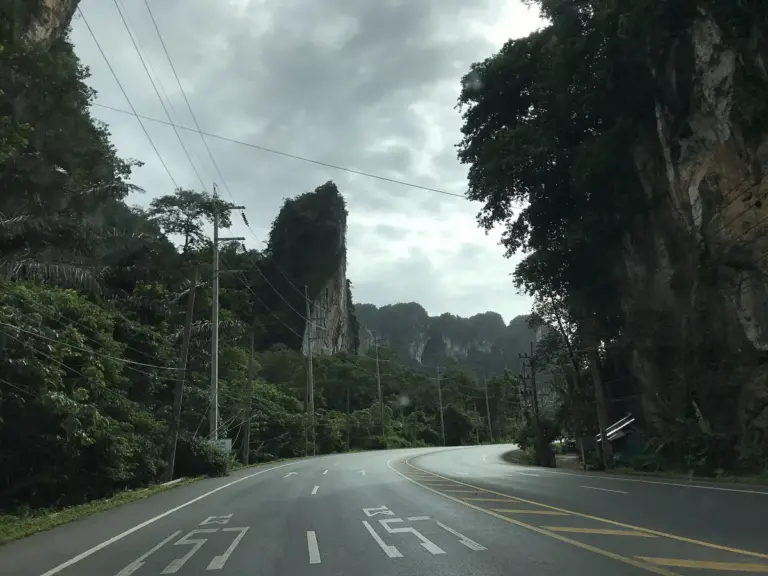
Driving in Thailand is easy to start and hard to master. Traffic keeps to the left, the signs are bilingual on main roads, and rental cars are cheap, but the road toll is among the highest in Asia. This guide covers the Thai driving rules you need, the driving licence in Thailand question for tourists, the new Thailand speeding fines and drink driving in Thailand penalties, and the habits that keep a road trip safe.
Quick answer: As of November 2026, Thailand drives on the left. The Tourism Authority of Thailand (TAT) lists three ways to drive legally: a Thai licence, an international driving permit (IDP) used with your home licence, or a licence from an ASEAN country. Since 1 April 2026, police have enforced higher fines of up to 4,000 baht for speeding, red lights, phone use and not stopping at zebra crossings. Always wear a helmet on a motorbike and a seat belt in a car.
General information, not legal or insurance advice. Rules change, so check the Department of Land Transport (DLT), the Royal Thai Police or your embassy before you drive.
Is driving in Thailand a good idea?
For many travellers, yes. In fact, driving in Thailand gives you freedom in places with little public transport, such as the quiet north of Krabi. For a route-based guide, see our Phuket to Krabi by car article. So, this page covers the rules instead.
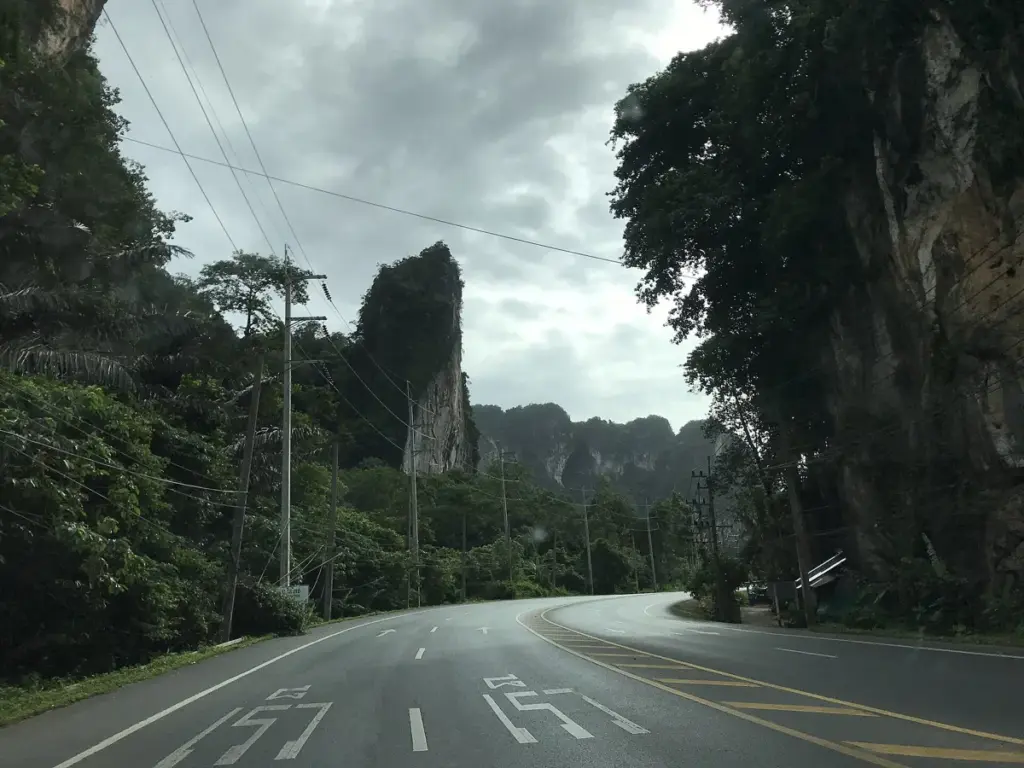
However, the risks of driving in Thailand are real. According to the World Health Organization (WHO), Thailand recorded about 25.4 road deaths per 100,000 people in 2021, which is one of the highest rates in the region. As a result, many first-time visitors prefer a car with a driver or ride-hailing in big cities, and save self-drive for quiet provinces. Our is Thailand safe guide covers the wider picture.
Thai driving rules to know before you start
The Thai driving rules are mostly familiar, but local habits differ. As of November 2026, these are the basics:
- Drive on the left. In a standard car, the driver sits on the right.
- Wear seat belts. Also, fines of up to 2,000 baht apply, according to reports of the April 2026 rules.
- Wear a helmet on a motorbike. This applies to the rider and the passenger.
- Give way at crossings. Not stopping for pedestrians at a zebra crossing is one of the offences now fined up to 4,000 baht.
- Do not use a phone. Also, holding a phone while driving can draw a fine of up to 4,000 baht.
- Carry your licence. Not carrying one can mean a fine of up to 1,000 baht.
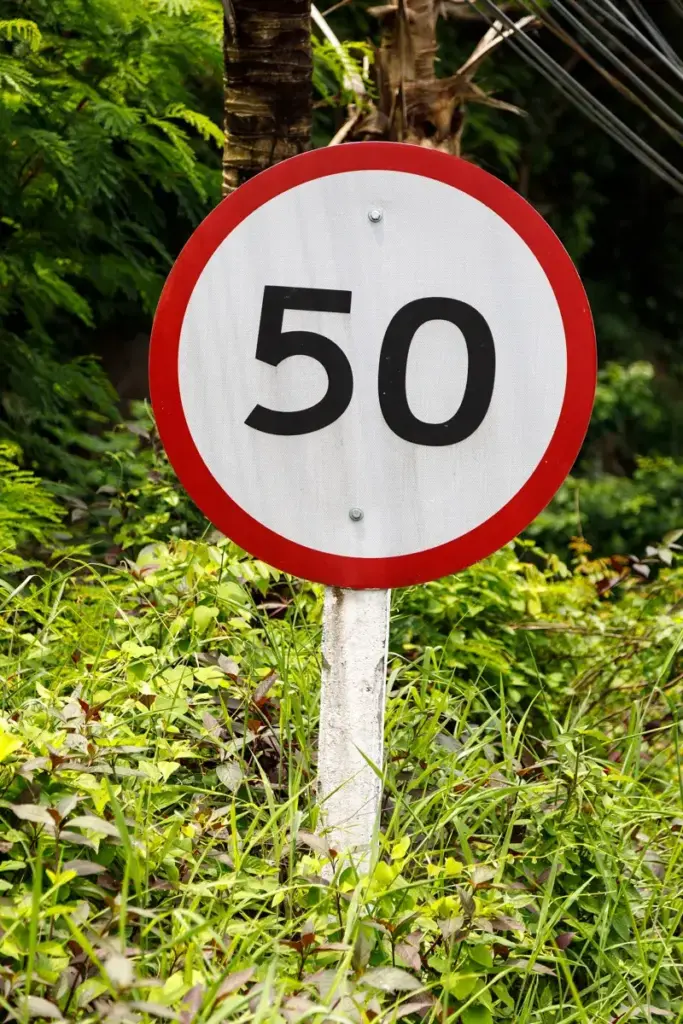
Speed limits vary by road. For example, guides describe about 60 km/h in towns and 90 to 120 km/h on highways and expressways, but posted signs always win. In short, read the sign, not the guidebook.
Driving licence in Thailand: what tourists need
The driving licence in Thailand rules are where most visitors get confused. TAT says tourists can drive with a Thai licence, with an international driving permit "valid under international agreements", or with a licence from an ASEAN country presented with the holder's domestic licence. Without one of these, you need a Thai licence, which means a longer process.
So, which IDP is right? Sources disagree. Our Krabi car rental guide cites a Thai government page that lists the 1949 Geneva Convention permit, while our Thailand travel insurance guide cites UK government advice that mentions a 1968-type permit. The safest step is to ask your national motoring body which permit it issues, then check with the DLT or a Thai embassy.
Keep these points in mind:
- Get the permit before you arrive. One guide notes that Thailand does not issue IDPs to visitors, so apply at home.
- Match the vehicle class. Several guides say a car-only permit does not cover a motorbike, so check the motorcycle entry.
- Carry both documents. The IDP works together with your home licence, not instead of it.
- Expect rental desks to vary. Some desks skip the check, but police stops and insurers may not.
Long stays and a Thai licence
If you live in Thailand, a visitor's IDP is only a short-term fix. One guide says holders of non-immigrant visas should get a Thai licence. TAT lists the usual documents as a valid passport, a residence certificate, a health certificate and proof of an online e-learning course. Because requirements change, confirm them at your local DLT office.
Thailand speeding fines and the 2026 crackdown
The Thailand speeding fines changed this year. According to Nation Thailand, traffic police began strict enforcement of ten key offences on 1 April 2026, based on a plan from the Royal Thai Police Traffic Management Centre. The reported maximums are:
| Offence | Reported maximum |
|---|---|
| Speeding | 4,000 baht (was 1,000) |
| Running a red light | 4,000 baht (was 1,000) |
| Not stopping at a zebra crossing | 4,000 baht |
| Using a phone while driving | 4,000 baht |
| Driving against traffic | 2,000 baht (was 500) |
| No helmet (rider and passenger) | 2,000 baht |
| No seat belt | 2,000 baht |
| No licence on you | 1,000 baht, and up to one month in jail |
| Drink driving | 5,000 to 20,000 baht and up to one year in jail |
| Reckless driving | 5,000 to 20,000 baht and up to one year in jail |
These are maximums, not set prices. Even so, the message is clear: small mistakes now cost more.
Drink driving in Thailand
Drink driving in Thailand carries some of the heaviest penalties on the list. Guides give the blood alcohol limit as 0.05% for most drivers, and the reported fine is 5,000 to 20,000 baht with up to one year in jail. In addition, checkpoints are common near entertainment areas.
Moreover, a crash while over the limit can void your insurance. So, the simplest rule is not to drive after drinking. Instead, use a taxi, a ride-hailing app or your accommodation's transfer.
Insurance, hire cars and motorbikes
Insurance matters as much as the licence. For instance, a guide to foreign drivers explains that compulsory third-party cover (known as Por Ror Bor) pays only minimal injury costs, while voluntary insurance protects the car. So, when you rent, ask what the excess is and which class of cover you get.
For motorbikes, extra care is wise, because most insurers refuse claims if you rode without a valid motorcycle licence or a helmet. Read our Thailand travel insurance guide before you ride, and consider a car or taxi if you do not hold a motorbike licence at home.
Practical tips for driving in Thailand
Beyond the law, a few habits help. These are common-sense tips, not official rules:
- Avoid night driving on country roads. Unlit bikes, animals and slow trucks are hard to see, so plan to arrive before dark.
- Expect motorbikes everywhere. Always check mirrors and blind spots before turning or opening a door.
- Allow extra time in rain. Wet roads and heavy showers slow everything down, so build in a buffer.
- Use offline maps. Download your route before you leave, since signals can fade in the hills.
- Park legally. Check kerb markings and signs, because police do tow and fine.
- Photograph the rental car. Take photos of every panel before you leave the desk.
Where to stay for a Krabi road trip
Krabi is one of the easiest provinces for driving in Thailand for the first time, because roads are quiet and the main sights sit close together. From Krabi airport, the drive to Ao Luek takes about 54 to 71 minutes, depending on traffic. Our Krabi airport to Ao Luek guide explains the route, and our Ao Luek travel guide lists what to see.
At a glance: 17 houses from 1,200 to 2,000 baht per night, air conditioning in every house, free breakfast, free Wi-Fi and a swimming pool, at 97/1 Moo 1, Ao Luek Nuea, Krabi.
We recommend Ban Kamnan Resort in Ao Luek Nuea as a calm base for a road trip. For a group of four, House #A, #B, #C and #D each have two 5 ft beds, one bathroom and 40 m², and they sleep four for 1,700 baht per night. Like every house, they have air conditioning. Also, guests share the resort's swimming pool, and breakfast of toast, fried eggs and hot coffee is free. Prices match the resort's listing, so check your dates on Booking.com.
Frequently asked questions
Yes, driving in Thailand is open to tourists who hold a valid licence. TAT lists a Thai licence, an IDP used with a home licence, or an ASEAN-country licence as the accepted options. Check the details with the DLT or your embassy.
Driving in Thailand is on the left, and the driver sits on the right side of the car.
Most tourists carry one together with their home licence. Sources disagree on the 1949 and 1968 formats, so ask your national motoring body which permit it issues and check with the DLT.
Reports of the April 2026 enforcement put the maximum at 4,000 baht, up from 1,000 baht. Fines are maximums, and the amount can vary.
It can be, with care. WHO figures show a high road death rate, so avoid night driving on country roads, wear belts and helmets, and never drink and drive.
Final thoughts
Driving in Thailand rewards preparation. To sum up: carry the right licence and permit, follow the 2026 rules on speed, phones and helmets, and skip alcohol before you drive. Then choose quiet roads for your first days of driving in Thailand. Check availability at Ban Kamnan Resort on Booking.com and plan a road trip from Krabi's quiet north.








