

 Krit Ariyathiti
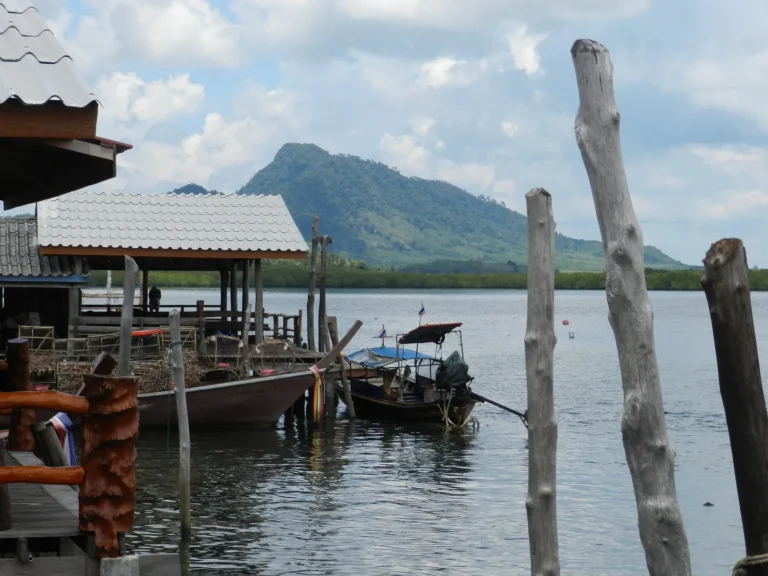
Koh Jum is a slow, green island between Krabi Town and Koh Lanta, with long quiet beaches, fishing villages and simple bungalows instead of resorts and nightlife. This guide covers the best Koh Jum beaches, how to get to Koh Jum by local boat or ferry, the northern hill country of Koh Pu Krabi and whether to choose Koh Jum or Koh Lanta for your stay, so you can add a calm island to a Krabi road trip.
Quick answer: Koh Jum is part of Nuea Khlong district in Krabi province, about 25 km south of Krabi Town. Local longtails run from Laem Kruat pier on the mainland, and guides put the crossing at about 30 to 45 minutes. In the high season, from about late October to late April, ferries between Krabi Town and Koh Lanta also stop offshore. The island suits travellers who want quiet beaches and village life, not parties.
What is Koh Jum like?
Koh Jum is a small, rural island in the Andaman Sea. According to Wikipedia, it has three villages: Ban Ko Pu, Ban Ting Rai and Ban Ko Jum. Wikivoyage puts the permanent population at about 1,500 people. As a result, it feels much more local than the busy beach towns on the mainland.
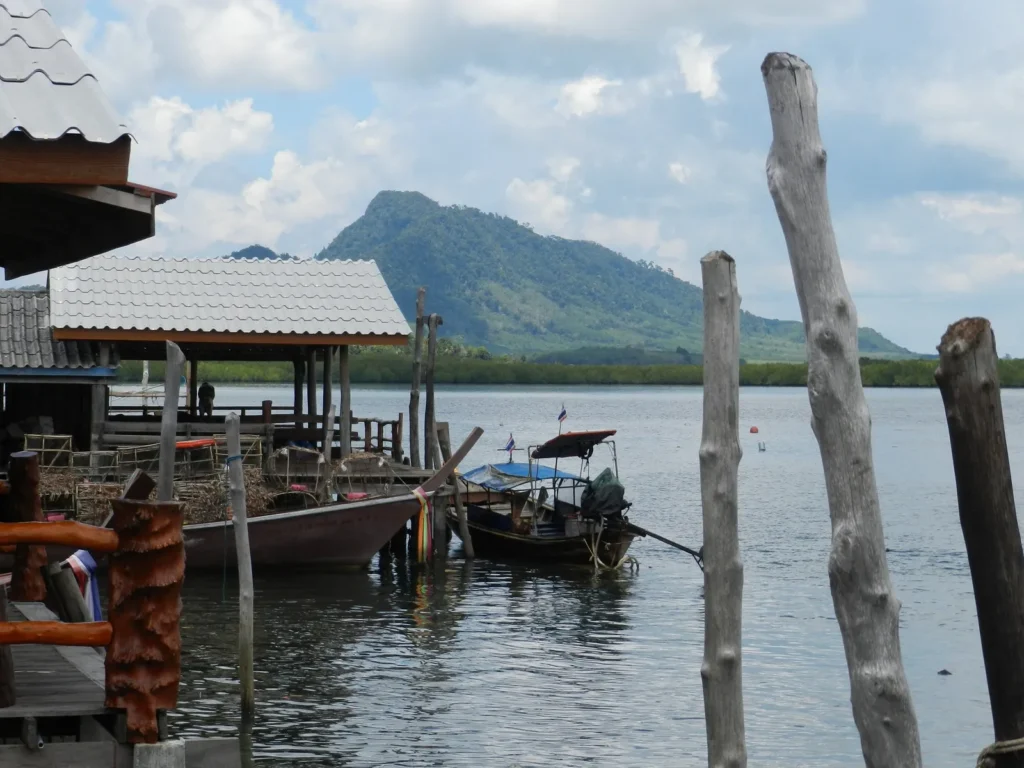
In fact, life here still follows the boats and the rubber trees. Electricity only arrived in 2008, according to Wikivoyage, and some simple bungalows still limit power at night. So, bring a torch and expect a slower pace. Also, most places to stay sit on the west coast, where the sun sets over the sea.
Koh Pu Krabi: the north of the island
The island has two names. Locals in the south call it Koh Jum, while the northern part is known as Koh Pu, according to Wikivoyage. That is why maps and boat timetables sometimes show Koh Pu Krabi instead of Koh Jum.
The north is hillier and greener. For example, some resorts can arrange a guided trek up Mount Pu, which Wikivoyage describes as having a wide view over the islands and the Andaman Sea. However, the trail is steep and hot, so start early and take plenty of water. Above all, go with someone who knows the path.
The best Koh Jum beaches
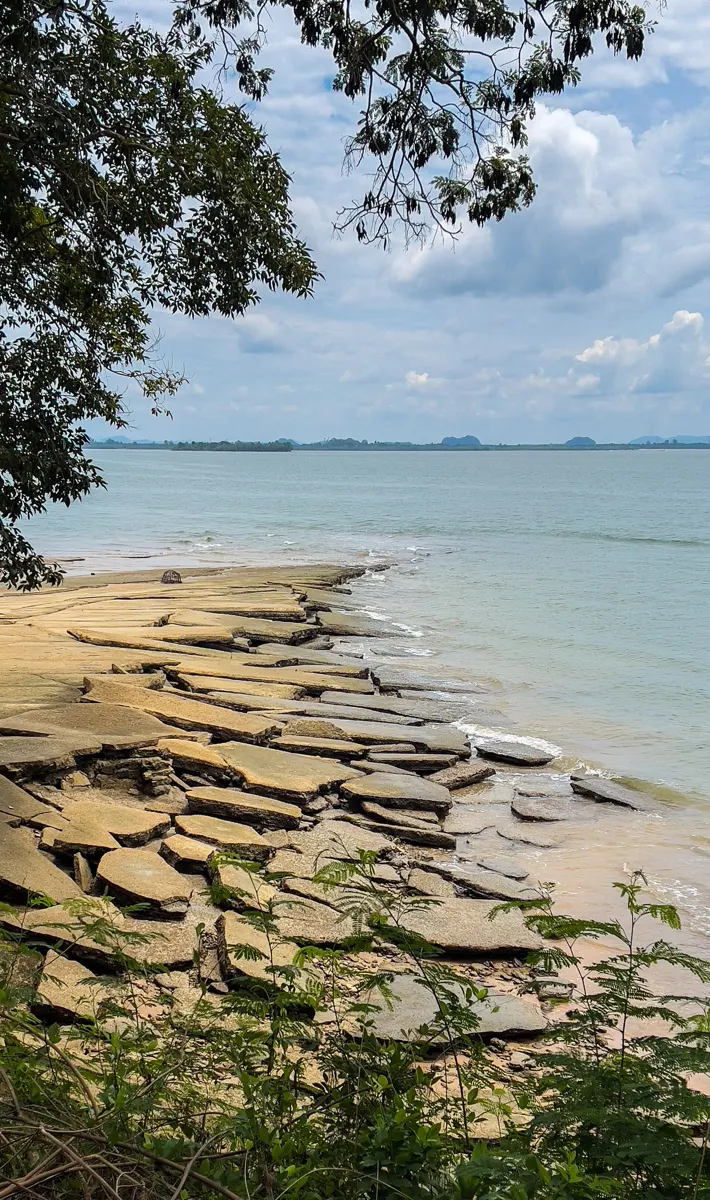
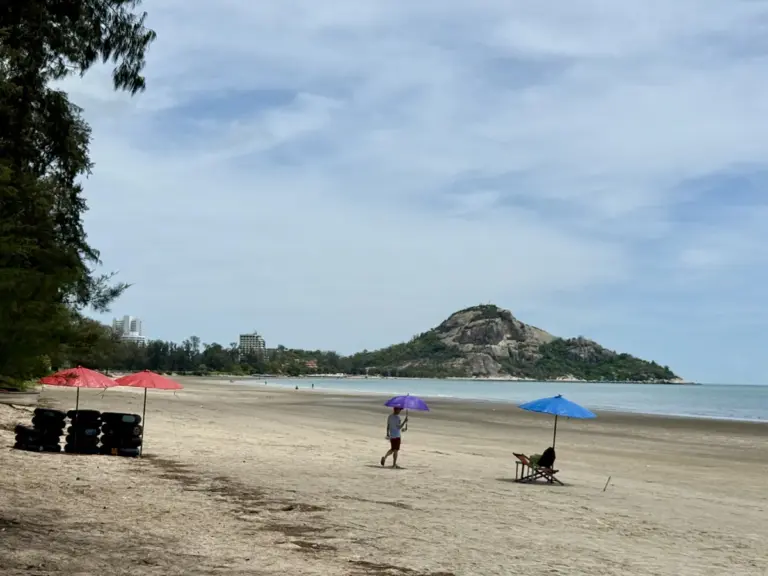
Koh Jum beaches are long, wide and often almost empty. Wikipedia lists Sunset Beach, Coconut Beach and Long Beach, and Wikivoyage adds a beach near the north and one close to Ting Rai village. Because the coast is shallow in places, the tide changes the beaches a lot during the day.
- West coast beaches. The best sunsets and most of the bungalows.
- Beaches near Ting Rai. Close to the main village, with small shops nearby.
- Northern beaches. Quieter still, with the hills of Koh Pu behind them.
- Low tide walks. Good for shells and photos; swim when the water is higher.
In short, plan swims for high tide and long walks for low tide. Also bring reef shoes, since some parts of the shore are rocky.
How to get to Koh Jum
There are two main ways to reach the island, and the right one depends on the season.
| Route | Season | Notes |
|---|---|---|
| Laem Kruat pier to Koh Jum by local longtail | All year | About 30 to 45 minutes, depending on the source |
| Krabi Town to Koh Lanta ferry, stopping offshore | About late October to late April | Longtails take you to shore |
| Private boat from the mainland | All year | Agree the price before you leave |
Local boat from Laem Kruat
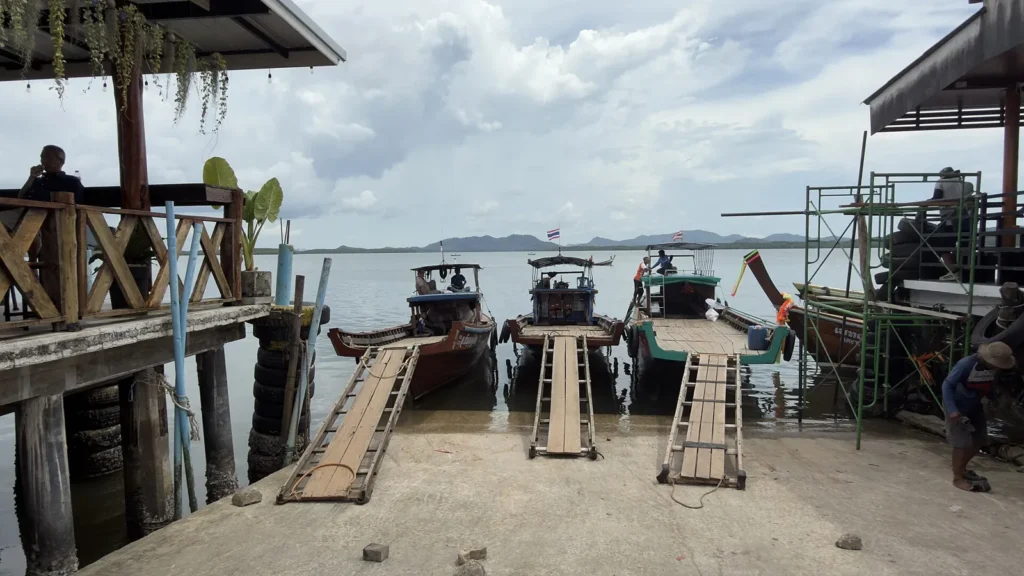
Laem Kruat pier is on the mainland south of Krabi Town. Our Krabi off the beaten path guide notes that one guide puts the longtail at about 30 minutes, while Wikivoyage gives about 45 minutes and a fare of about 100 to 120 baht for foreigners. Wikivoyage also lists a first boat around 09:00 and a last boat in the early evening. However, timetables change, so check them the day before.
Ferry between Krabi Town and Koh Lanta
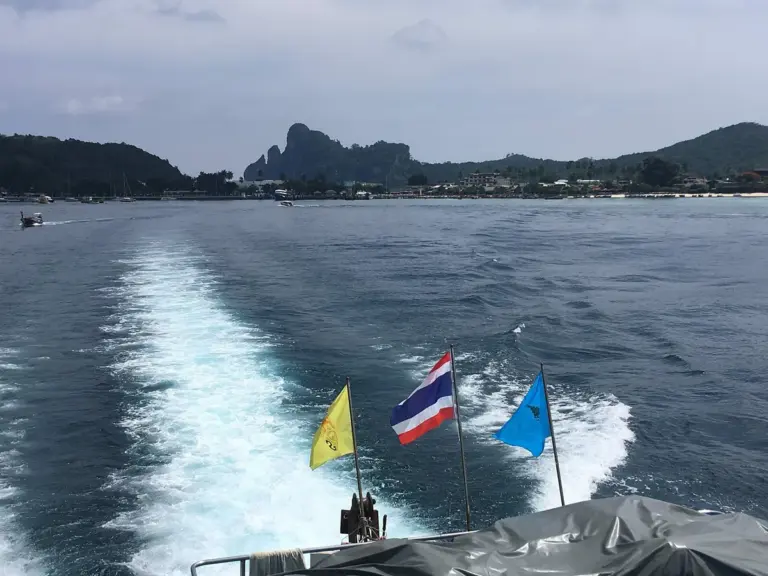
In the high season, ferries between Krabi Town and Koh Lanta call at Koh Jum. There is no jetty, so the ferry stops offshore and longtails carry you and your bags to the beach. Wikivoyage notes that you may have to pay the full fare even though you only travel part of the way. For the Lanta side, read our guide to Koh Lanta.
Getting around Koh Jum
Motorbikes are the easiest way to explore, and most places can help you rent one. Meanwhile, motorbike taxis with a sidecar wait near the main villages. Wikivoyage says the main roads are now sealed, so a loop of the island is easy in good weather. Still, drive slowly, because children, dogs and chickens share the road.
Things to do on Koh Jum
There are few big sights, and that is the point. Instead, the best things to do are simple and slow.
- Swing in a hammock. The west coast is made for long afternoons.
- Walk the beaches. Especially at sunset.
- Visit a village. Buy fruit, snacks and coffee in Ting Rai.
- Trek Mount Pu. Only with a local guide.
- Take a boat trip. Ask your hosts about nearby islands and snorkelling.
Then, if you want more choice, combine Koh Jum with a few nights on Koh Lanta or the mainland.
Koh Jum or Koh Lanta?
Choosing Koh Jum or Koh Lanta depends on how quiet you want your trip to be.
| Compare | Koh Jum | Koh Lanta |
|---|---|---|
| Feel | Very quiet, rural | Relaxed but busier |
| Places to stay | Simple bungalows | Everything from hostels to big resorts |
| Getting there | Longtail or ferry stop | Road, car ferry and bridge, or ferry |
| Nightlife | Almost none | Bars on several beaches |
| Best for | Slow days and silence | More choice and easy tours |
So, choose Koh Jum for silence and Koh Lanta for choice. Many travellers do both, because the ferry links them in the high season.
When to visit Koh Jum
The dry months from about December to March usually bring calm seas and clear skies. In contrast, the rainy season from about May to October can bring rough water, and Wikivoyage notes that the local boat from Laem Kruat may be the only way across in the low season. For a full season guide, read the best time to visit Krabi.
Tips for visiting Koh Jum
- Carry cash. Do not rely on cards or cash machines.
- Pack a torch. Paths are dark at night.
- Dress modestly in villages. Cover shoulders and knees away from the beach.
- Check the last boat. Missing it can mean an expensive private boat.
- Bring insect repellent. The island is green and humid.
Where to stay before or after Koh Jum
Koh Jum pairs well with a few nights on the mainland. Ao Luek, in the north of Krabi, is a calm base for springs, caves and mangroves, so it works well before you head south to Laem Kruat. For example, you can see Than Bok Khorani National Park and then drive to the pier on another day.
At a glance: 17 houses from 1,200 to 2,000 baht per night, air conditioning in every house, free breakfast, free Wi-Fi and a swimming pool, at 97/1 Moo 1, Ao Luek Nuea, Krabi.
We recommend Ban Kamnan Resort in Ao Luek Nuea. For couples on a budget, House #3, #10 and #11 each have one 5 ft bed, one bathroom and 24 m², and they sleep two for 1,200 baht per night. Like every house, they have air conditioning. Also, guests share the resort's swimming pool, and breakfast of toast, fried eggs and hot coffee is free. Prices match the resort's listing, so check your dates on Booking.com.
Frequently asked questions
Take a local longtail from Laem Kruat pier, which guides put at about 30 to 45 minutes. In the high season, ferries between Krabi Town and Koh Lanta also stop offshore, and longtails take you to the beach.
Yes. The northern part of the island is called Koh Pu, while the south is called Koh Jum, so both names appear on maps and timetables.
Yes, if you want quiet beaches, village life and simple bungalows. However, it has little nightlife and few facilities, so plan for slow days.
Two or three nights is enough for the beaches, a scooter loop and a sunset or two. After that, many travellers continue to Koh Lanta or the mainland.
Final thoughts
Koh Jum is one of the calmest islands in Krabi. To sum up: take the longtail from Laem Kruat or the high-season ferry, carry cash and plan your days around the tide and the sunset. Then add a few quiet nights in Ao Luek on the way. Check availability at Ban Kamnan Resort on Booking.com and plan your Krabi island trip.