


 Krit Ariyathiti
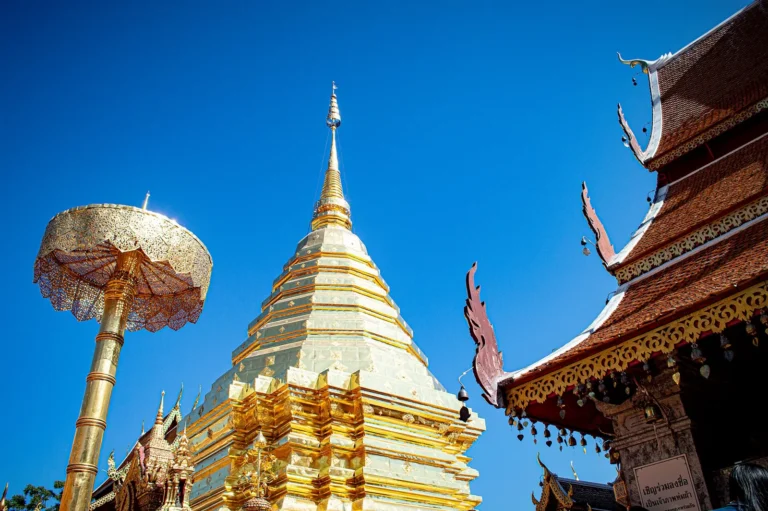
The best things to do in Chiang Mai mix old temples, mountain views, night markets and slow cafe days in a city that still feels walkable. This guide covers the top Chiang Mai temples, the climb to Doi Suthep temple, a walking plan for the Chiang Mai old city, how to choose a responsible Chiang Mai elephant sanctuary and how to add the beaches of Krabi to the same trip.
Quick answer: Start inside the moat with Wat Chedi Luang and Wat Phra Singh, then ride up to Wat Phra That Doi Suthep for the view. After that, spend an evening at the Sunday Walking Street, eat khao soi and give one day to nature outside the city. Most visitors need three to four days for these things to do in Chiang Mai. Guides list temple fees of about 30 to 50 baht for foreigners, so carry small notes.
Why visit Chiang Mai?
Chiang Mai is the largest city in northern Thailand and the old capital of the Lanna kingdom. As a result, it has hundreds of temples, a square moat and brick gates that you can still walk through. It is also cooler than the south in the dry season, especially from about November to February.
In addition, the city is easy for first-timers. Most sights sit within a few kilometres of each other, songthaew trucks and ride apps are cheap, and the food is famous across Thailand. So it suits couples, families and solo travellers alike.
The best Chiang Mai temples
Temples are the top things to do in Chiang Mai for most visitors. Some are grand and busy, while others are tiny and quiet, so mix both kinds.
| Temple | Why go | Fee (guides, 2026) |
|---|---|---|
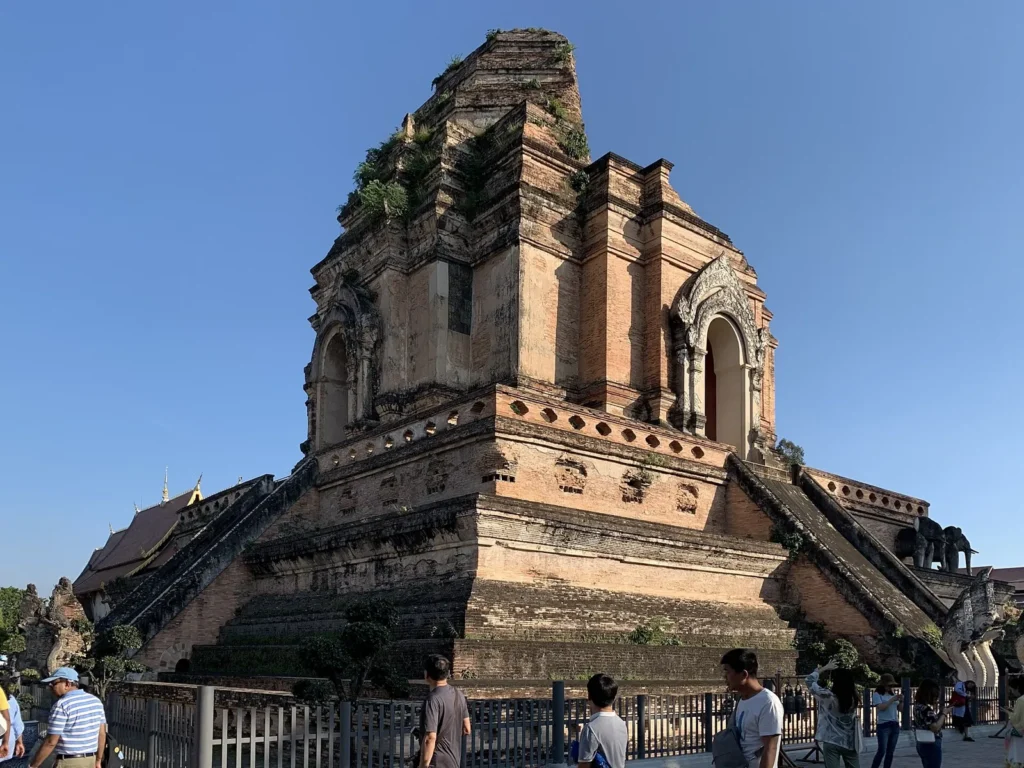
| Wat Chedi Luang | Huge ruined brick chedi from the 14th and 15th centuries | About 40 to 50 baht |
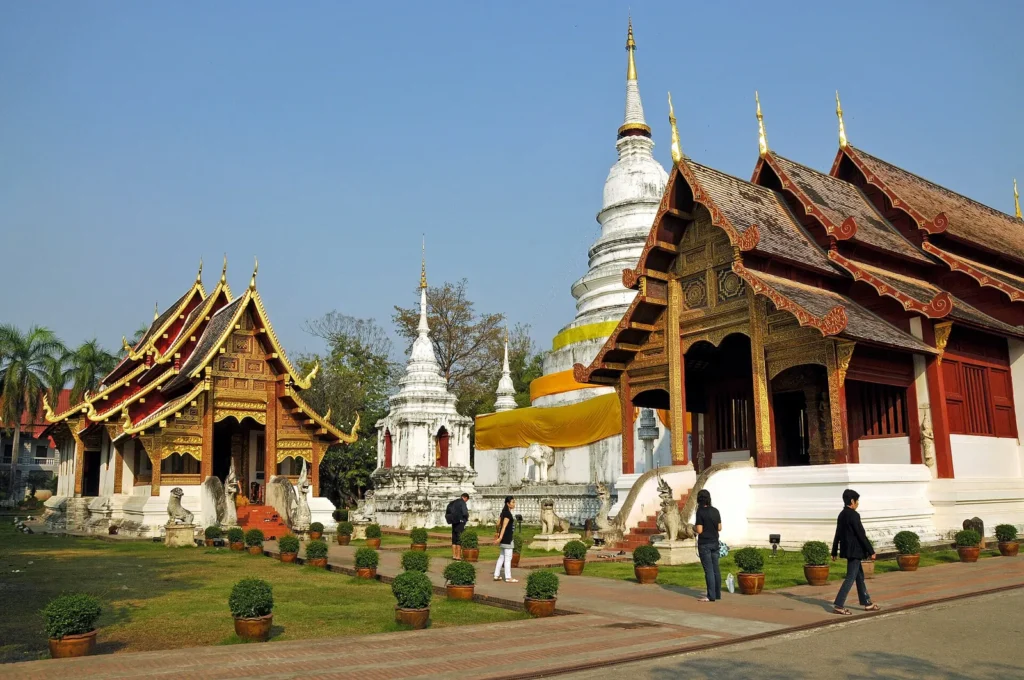
| Wat Phra Singh | Classic Lanna halls and murals | Grounds free, main hall about 40 to 50 baht |
| Wat Phra That Doi Suthep | Golden chedi on the mountain, city views | About 30 baht, some sources say 50 |
| Wat Sri Suphan | The silver temple near Wualai Road | Small fee, check at the gate |
For example, Wat Chedi Luang is best in the late afternoon, when the brick glows and the heat drops. Meanwhile, Wat Phra Singh is a short walk west and holds some of the finest murals in the north. In fact, one 2026 guide says both temples are cash only and rent sarongs at the gate for about 50 baht.
Doi Suthep temple: how to visit
Doi Suthep temple, or Wat Phra That Doi Suthep, sits on a mountain west of the city. It is the most famous sight in Chiang Mai, and the view over the valley is the reason to go.
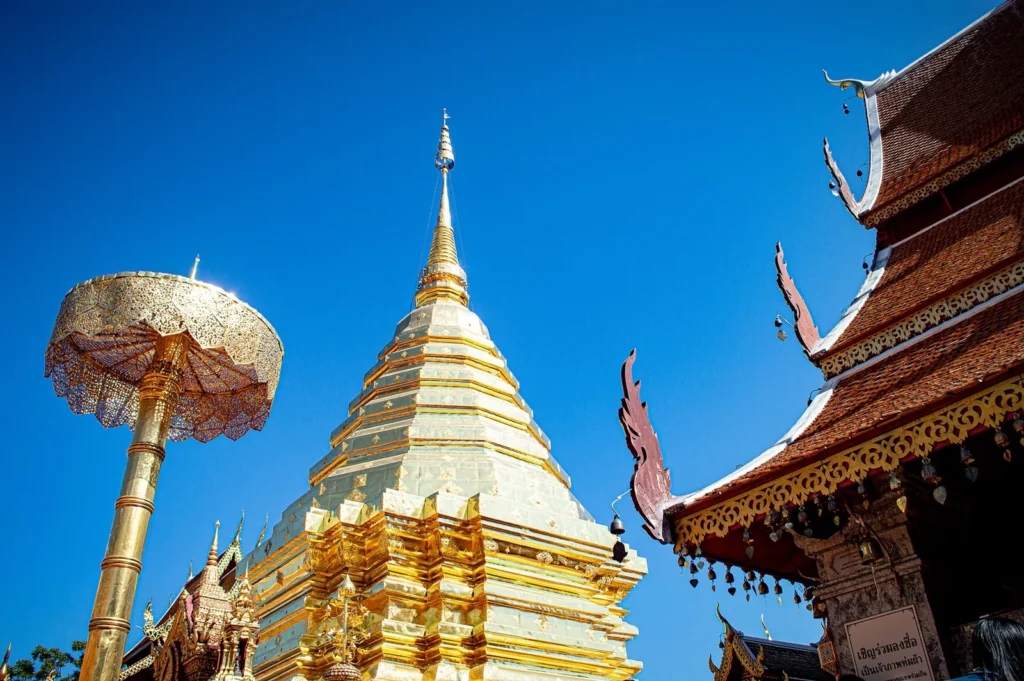
Most visitors take a red songthaew, a ride app or a tour. One guide puts a shared songthaew transfer at about 350 baht, while another reports a motorbike taxi at about 150 baht one way. At the top, you can climb the naga staircase or ride the small cable car. Sources give the stair count as anything from 200 to 309 steps, so expect a short, steep climb.
Also note one change. Chiang Mai City Life reported that Doi Suthep Pui National Park started charging park fees in October 2025, with 100 baht for foreign adults. However, the same report says visitors who only go to the temple by the main road do not pay that fee. Check the rules on the day, because they are new.
Walk the Chiang Mai old city
The Chiang Mai old city is the square inside the moat, about 1.5 km on each side. It is flat, so walking is the best way to see it, especially in the cool morning.
- Start at Tha Phae Gate. The east gate is the classic photo spot.
- Walk west on Ratchadamnoen Road. Temples line both sides.
- Stop at Wat Chedi Luang. Then continue to Wat Phra Singh at the end of the road.
- Rest in a cafe. The lanes are full of small coffee shops.
- Return on Sunday evening. The same road becomes the Chiang Mai Sunday Walking Street.
Then, if you have more time, explore the lanes around the north and south gates. They are quieter and feel more local.
Choosing a Chiang Mai elephant sanctuary
Many travellers want to see elephants, and every Chiang Mai elephant sanctuary claims to be kind. However, not all of them treat the animals well, so choose carefully.
Several guides that follow World Animal Protection advice say the best places are observation only. That means no riding, no bathing with the elephants and no shows. As one guide puts it, if a camp lets you get very close, it is probably not the most ethical choice. Because names and policies change, check the camp's current rules and recent reviews before you book. Our guide to an elephant sanctuary in Krabi explains the same checks for the south.
Other things to do in Chiang Mai
Beyond the temples, there are many more things to do in Chiang Mai, so plenty to fill your days.
- Eat your way around the city. Try khao soi and sai ua with our Chiang Mai food guide.
- Shop the night markets. The Sunday and Saturday walking streets are the best.
- Spend an afternoon in Nimman. Cafes, galleries and small shops on the west side.
- Take a cooking class. Many schools teach northern and central dishes.
- See the lanterns in November. Read our Yi Peng lantern festival guide first.
When to visit Chiang Mai
The cool dry season, from about November to February, is the most comfortable time. In contrast, the burning season usually runs from about February to April, with March often the worst for smoke. Guides advise checking live air quality on IQAir or Air4Thai before you travel in those months. Later, the rains arrive from about May to October and turn the hills green.
How many days do you need in Chiang Mai?
Three days covers the main things to do in Chiang Mai: the temples, Doi Suthep and one market. Four or five days lets you add a nature day and a cooking class. After that, many travellers fly south for the beaches, so plan the order of your trip early. For a wider plan, see our Thailand festivals calendar.
Continue south to Krabi
Chiang Mai is cool and cultural, while Krabi gives you limestone cliffs, islands and warm sea. Together, they make a classic north and south trip, so after the things to do in Chiang Mai, the sea is waiting. Aggregator sites put a direct Chiang Mai to Krabi flight at about two hours, with Thai AirAsia the most common nonstop airline. From Krabi airport, Ao Luek is about 54 to 71 minutes by road, as our Krabi airport to Ao Luek guide explains.
Ao Luek is a calm base for springs, caves and mangroves. For example, you can kayak through mangroves and swim in clear pools, as our guide to things to do in Ao Luek shows.
At a glance: 17 houses from 1,200 to 2,000 baht per night, air conditioning in every house, free breakfast, free Wi-Fi and a swimming pool, at 97/1 Moo 1, Ao Luek Nuea, Krabi.
We recommend Ban Kamnan Resort in Ao Luek Nuea after your Chiang Mai days. For couples, House #E, #F and #G each have one 6 ft bed, one bathroom and 35 m² for 1,350 baht per night. Like every house, they have air conditioning. Also, guests share the swimming pool, and breakfast of toast, fried eggs and hot coffee is free. Prices match the resort's listing, so check your dates on Booking.com.
Frequently asked questions
Visit Wat Chedi Luang and Wat Phra Singh, ride up to Doi Suthep temple, walk the old city and shop the Sunday Walking Street. Also eat khao soi and spend a day in nature outside the city.
Guides list about 30 to 50 baht for foreigners at the big temples, while many small temples are free. Carry cash, because the gates may not take cards.
Yes. The golden chedi and the view over the valley are the highlights of most trips. Go early or late in the day to avoid the heat and the biggest crowds.
Choose an observation-only camp with no riding, no bathing and no shows. Then check the camp's current rules and recent reviews before you pay.
Yes. Direct flights take about two hours, according to flight aggregators. Spend three or four days in the north, then fly south for the islands and Ao Luek.
Final thoughts
Chiang Mai rewards slow travel. To sum up: walk the old city in the morning, see Doi Suthep at sunset, eat well in the evening and choose animal experiences with care. Then fly south for the sea. Check availability at Ban Kamnan Resort on Booking.com and finish your Thailand trip in Krabi.








