

 Krit Ariyathiti
The Thailand visa on arrival changed sharply in September 2026, and many older guides still describe a list that no longer exists. This guide explains who can still use it, the Thailand VOA fee, the documents officers check, the current list of Thailand VOA countries, and why most visitors now use the Thailand visa exemption 30 days instead. Rules can change at short notice, so treat this as a checklist and confirm with the official sources before you fly. This is general information, not legal advice.
Quick answer: As of November 2026, the Thailand visa on arrival is open only to ordinary passport holders from Azerbaijan, Belarus and Serbia, according to the Thai Ministry of Foreign Affairs list dated 15 September 2026. It allows a stay of up to 15 days and costs 2,000 baht, paid in cash at the airport counter. Most other visitors either enter under the 30-day visa exemption or apply for an e-Visa before travel.
What is the Thailand visa on arrival in 2026?
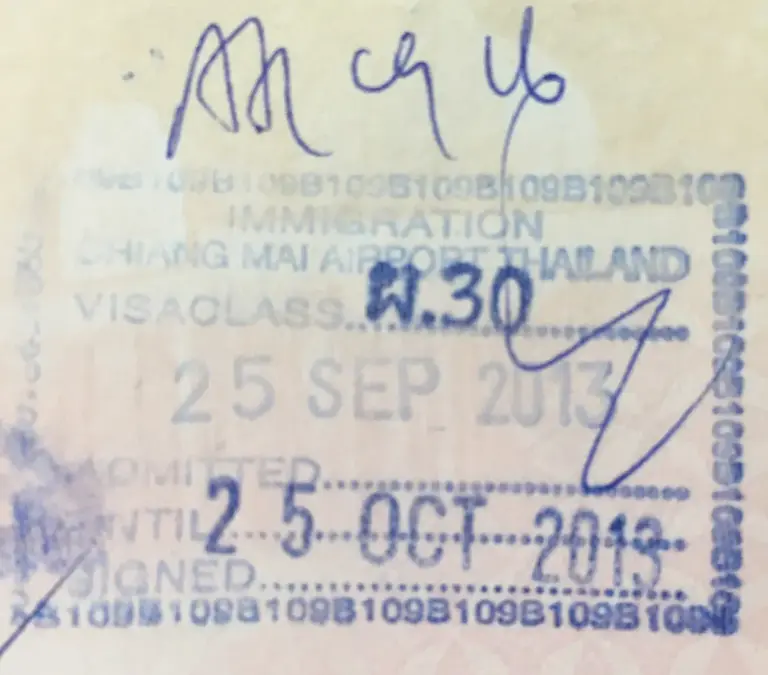
The Thailand visa on arrival is a short tourist permit that eligible travellers get at the border instead of applying in advance. In short, you land, fill in a form, pay the fee and receive a stamp for up to 15 days. However, the list of eligible passports is now very short.
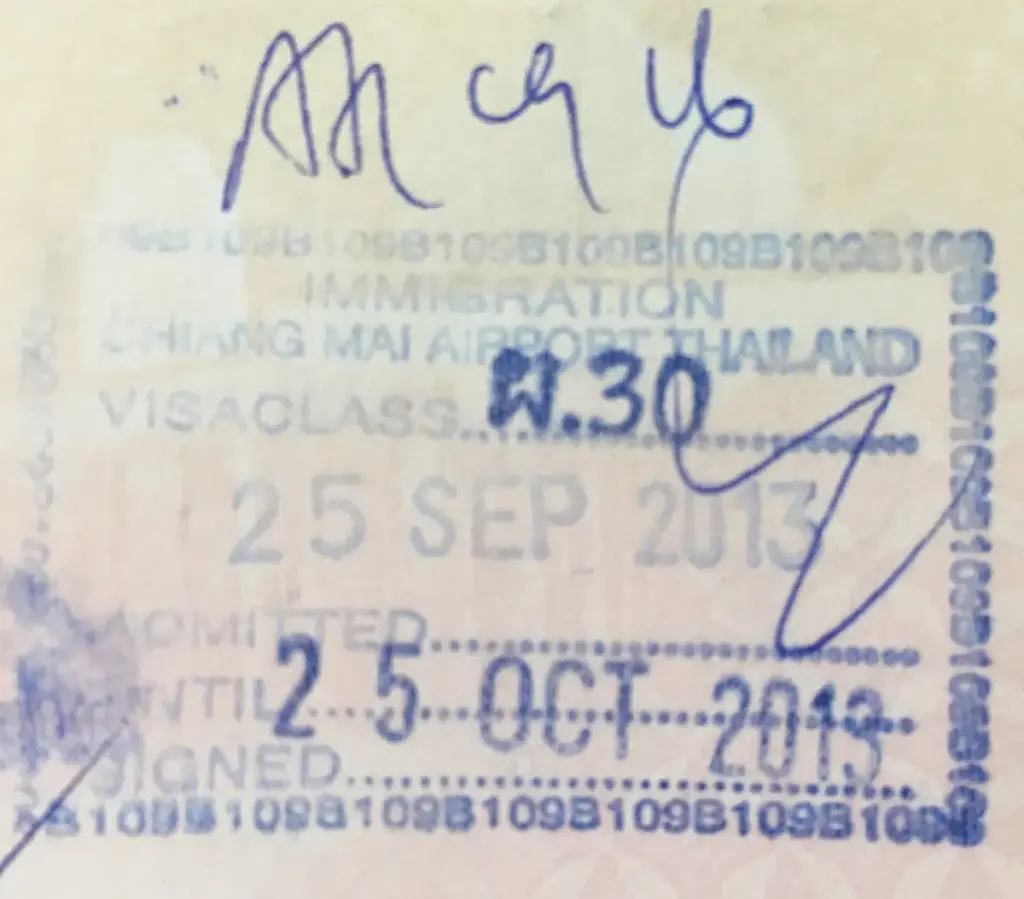
Before 15 September 2026, the visa on arrival covered around 31 nationalities, according to several visa guides. Then the new entry framework took effect. As a result, the Ministry of Foreign Affairs now lists only three countries for ordinary passports. Meanwhile, many former VOA nationalities moved to the visa exemption instead, which is usually better news for them.
Here is how the main entry options compare, as of November 2026:
| Option | Stay | Who it covers |
|---|---|---|
| Visa exemption | Up to 30 days | Passports from 60 countries and territories (TAT) |
| Short exemption | Up to 15 days | A second list, such as Mauritius and Seychelles |
| Visa on arrival | Up to 15 days | Azerbaijan, Belarus and Serbia (MFA) |
| e-Visa | Depends on the visa | Everyone else, applied for before travel |
So, check your passport against all three lists before you choose. Our guide to the Thailand visa for tourists explains every option in more detail.
Which are the Thailand VOA countries now?
As of November 2026, the Thailand VOA countries for ordinary passports are Azerbaijan, Belarus and Serbia. The Department of Consular Affairs published this list on 15 September 2026, and the Tourism Authority of Thailand names the same three. In addition, some reports say India moved back to visa-free entry in a later revision.
Be careful with older websites. For example, some popular visa blogs still list India, Taiwan, Saudi Arabia and others as VOA countries. Those pages predate the September change. Therefore, rely on the Ministry of Foreign Affairs, the Immigration Bureau or the Thai embassy that serves your country.
If your passport is not on the list, do not plan to buy a visa at the airport. Instead, check whether you qualify for the exemption. Otherwise, apply for a visa through the official e-Visa site, thaievisa.go.th, well before your flight.
How much is the Thailand VOA fee?
The Thailand VOA fee is 2,000 baht per person, according to the Ministry of Foreign Affairs and recent visa guides. Most sources say it is payable in cash only, in Thai baht, at the visa on arrival counter. Also, the fee is not refundable if you are refused.
So, carry enough baht before you land. Airport exchange counters usually sit before immigration at the big airports, but queues can be long. Our guide to money in Thailand explains ATMs, exchange rates and card fees.
Finally, remember the hidden costs. A delay at the counter can mean a missed connection, and an onward ticket bought in a hurry costs more. For that reason, sort the paperwork at home.
What visa on arrival documents do you need?
Thai embassy pages list a short set of documents for the Thailand visa on arrival. Requirements can vary by airport, so carry everything on paper and on your phone:
- Passport. Embassy pages ask for at least six months of validity and blank pages for the stamp.
- Application form. You fill it in at the counter, so bring a pen.
- Photo. Many guides suggest a recent passport photo; some counters have a photo booth.
- Onward ticket. You should leave Thailand within 15 days, so book a fixed date, not an open ticket.
- Proof of funds. Embassy pages list 10,000 baht per person or 20,000 baht per family.
- Accommodation. Have your first hotel address ready.
- Fee. 2,000 baht in cash.
In addition, file the free Thailand Digital Arrival Card online within 72 hours before arrival. Every foreign visitor needs it, including VOA travellers. Our Thailand Digital Arrival Card guide shows each step, and our Thailand entry requirements checklist covers the rest.
Visa on arrival or the Thailand visa exemption 30 days?
For most visitors, the choice is made for you. If your passport is on the exemption list, you get the Thailand visa exemption 30 days stamp free of charge, with no form or fee. In contrast, the visa on arrival gives only 15 days and costs 2,000 baht.
So, the visa on arrival mainly matters for travellers from the three listed countries. For everyone else, the exemption or a proper visa is the route. Meanwhile, if you plan to stay longer, apply for a tourist visa or a long-stay visa before you travel. Remote workers can read our guide to the Thailand DTV visa.
Can you extend a Thailand visa on arrival?
Usually not. Recent guides say visa on arrival holders generally cannot extend, except in special cases such as illness that prevents travel. Therefore, plan your whole trip inside the 15 days.
By contrast, visitors on the 30-day exemption can often apply for an extension at a local immigration office. Our guide to the Thailand visa extension explains that process. Also, never overstay. Fines apply per day, and longer overstays can lead to a ban.
Which airports offer a visa on arrival?
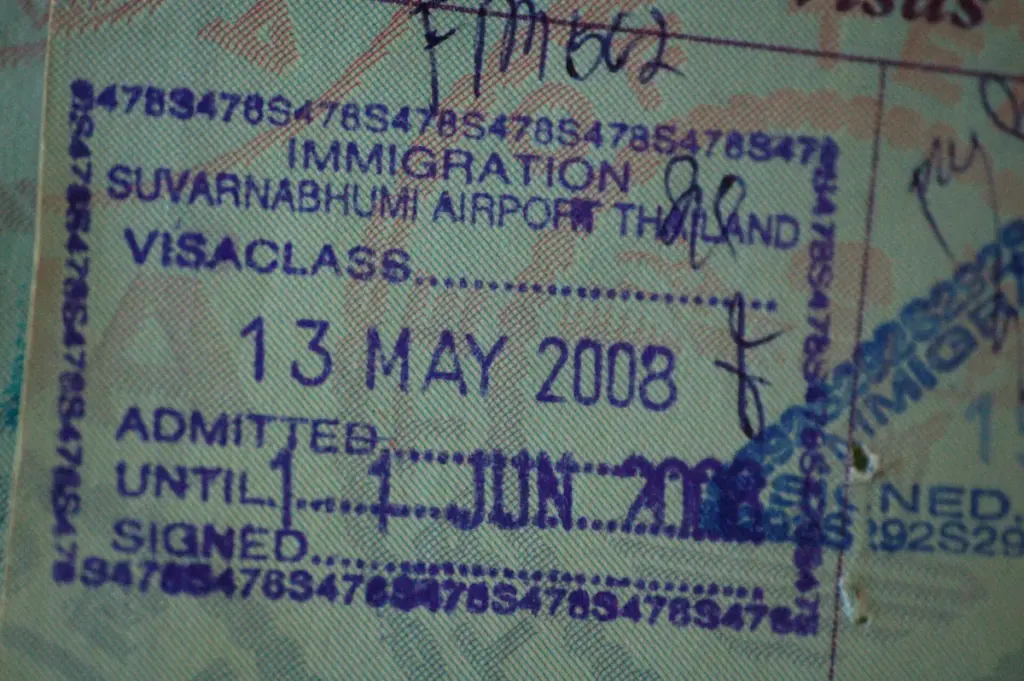
The Ministry of Foreign Affairs lists designated checkpoints for the visa on arrival, including the main international airports such as Suvarnabhumi, Don Mueang, Phuket and Chiang Mai. However, the list can change, and not every land crossing offers it. So, check the current checkpoint list before you choose your route.
If you fly into Bangkok and continue south, the counter sits before immigration. After the stamp, many travellers take a domestic flight on to Krabi. Our guide from Bangkok to Krabi compares flights, buses and trains.
Where to stay after you land: continue south to Krabi
With a 15-day stay, many visitors spend part of it on the Andaman coast. For example, you can fly to Krabi airport and then drive about 54 to 71 minutes to Ao Luek, depending on traffic. Our guide from Krabi airport to Ao Luek explains the transfer, and things to do in Ao Luek fills the days.
At a glance: 17 houses from 1,200 to 2,000 baht per night, air conditioning in every house, free breakfast, free Wi-Fi and a swimming pool, at 97/1 Moo 1, Ao Luek Nuea, Krabi.
We recommend Ban Kamnan Resort in Ao Luek Nuea as the next leg of your trip. For a solo traveller or a couple, House #3, #10 or #11 has one 5 ft bed, one bathroom and 24 m² for 1,200 baht per night. Every house has air conditioning. In addition, guests share the swimming pool, and breakfast of toast, fried eggs and hot coffee is free. Prices match the resort's listing, so check your dates on Booking.com.
Frequently asked questions
As of November 2026, ordinary passport holders from Azerbaijan, Belarus and Serbia, according to the Ministry of Foreign Affairs list dated 15 September 2026.
Up to 15 days. Extensions are generally not possible, except in special cases such as illness.
The fee is 2,000 baht per person, paid in cash in Thai baht at the counter. It is not refunded if you are refused.
Yes. Every foreign visitor files the free Thailand Digital Arrival Card online within 72 hours before arrival.
No. If your passport is on the exemption list, the 30-day exemption is free and longer. The visa on arrival only helps the three listed nationalities.
Final thoughts
The Thailand visa on arrival is now a narrow option. To sum up: check whether your passport is on the exemption list first, use the visa on arrival only if you hold an Azerbaijani, Belarusian or Serbian passport, carry 2,000 baht in cash and your documents, and plan to leave within 15 days. For anything longer, apply online before you travel. Then enjoy the trip. Check availability at Ban Kamnan Resort on Booking.com and save a few quiet days in Krabi.