


 Krit Ariyathiti
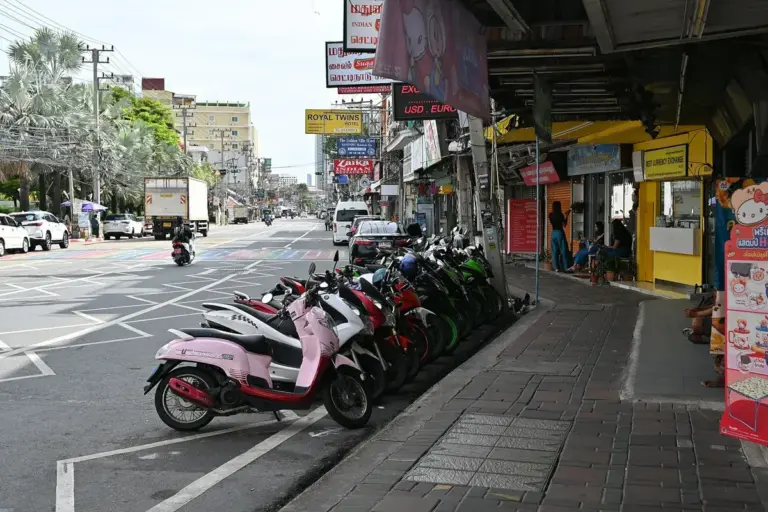
Renting a scooter in Thailand is cheap and easy, but it is also the riskiest choice most visitors make on a trip. This guide covers the paperwork you need, a scooter rental checklist for the shop counter, how a scooter rental deposit Thailand shops ask for usually works, what to know about scooter insurance Thailand riders need to check, and how motorbike rental Thailand fits with a slow stay near Krabi.
Quick answer: For renting a scooter in Thailand, as of November 2026, the Tourism Authority of Thailand (TAT) says tourists may drive on a Thai licence, an International Driving Permit (IDP), or a domestic licence from an ASEAN country, and that renting a car or motorbike needs a valid licence or IDP. Helmets are required for rider and passenger. In short, for renting a scooter in Thailand you should carry a licence that covers motorcycles, wear a helmet, photograph the bike before you leave the shop and read your insurance wording first. If you are unsure about any of these, take a taxi or a Grab instead.
General information, not legal, financial or medical advice. Rules and fines change, so check the official sources linked below before you ride.
Is renting a scooter in Thailand a good idea?
It depends on your experience, and on your licence. Scooters give freedom on islands and in small towns, where public transport is thin. However, the numbers are sobering. According to the World Health Organization, Thailand recorded 18,218 road deaths in 2021, a rate of 25.4 per 100,000 people. Motorcyclists made up 83.8% of those deaths.
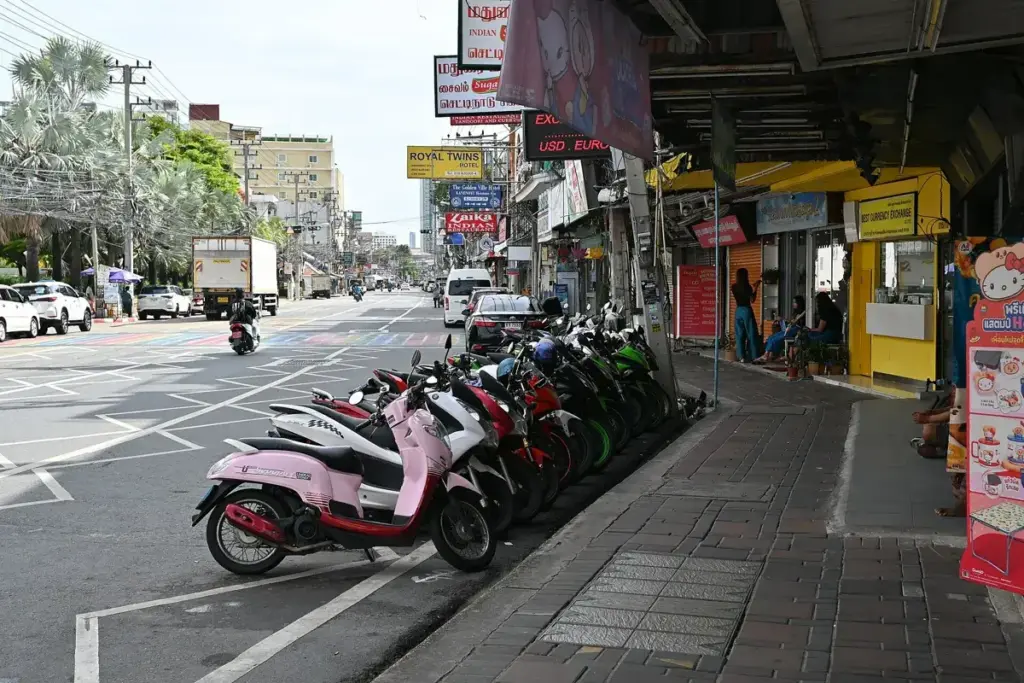
So the honest advice is simple. First, if you have never ridden a motorbike, a Thai road is a poor place to learn. In contrast, if you ride at home, hold the right licence and stay on quiet roads, then renting a scooter in Thailand can be a safe and enjoyable way to explore. Our guide to driving in Thailand covers the wider licence and fine rules.
What licence do you need for renting a scooter in Thailand?
TAT lists three options for tourists. First, a valid Thai driving licence. Second, an International Driving Permit. Third, a domestic licence from an ASEAN member country. TAT adds that renting a motorbike also requires a valid licence or IDP.
Several rental guides add an important detail. A car-only licence or a car-only IDP may not cover a motorcycle. Therefore, check that the motorcycle category is on your permit. Sources also disagree on which IDP convention applies and how long a permit is valid, so carry the permit your own country issues and confirm the details with the Department of Land Transport or your embassy.
- Carry the originals. Police checks happen in tourist areas, so keep the licence, IDP and rental papers on you.
- Check the category. A licence for cars only is not a licence for scooters, because the law treats them differently.
- Know the fines. Nation Thailand's report on the enforcement rules from 1 April 2026 says riding without a helmet can cost up to 2,000 baht, and not carrying a licence up to 1,000 baht. Amounts can change, so treat them as a guide.
A scooter rental checklist for the shop counter
A good scooter rental checklist takes ten minutes, and it can save you days of argument later. Most of the common problems are about damage claims, so evidence matters.
- Photograph and film the whole bike. Include every scratch, the tyres, the mirrors and the fuel gauge. Also record the odometer.
- Test the basics. For example, check the brakes, lights, horn, indicators and tyre tread before you leave.
- Check the helmet. Ask for a helmet that fits you, with an intact strap and no cracks. The law requires one for you and for your passenger.
- Ask for the paperwork. Look for the registration book or a copy, and ask what insurance the shop provides.
- Read the contract before you sign. Look for the damage terms, the fuel rule and the late-return charge.
- Keep copies. Photograph the signed contract and any receipt for your deposit.
Meanwhile, avoid prices that look too good. One rental guide warns that unusually low prices are often a trap. Choose a shop with recent, specific reviews instead.
Scooter rental deposit Thailand: what is normal?
Shops often ask for a deposit or a form of security. The scooter rental deposit Thailand shops ask for varies by shop and by place, and no official tariff exists. One rental guide describes daily scooter prices of about 150 to 400 baht, and another source reports monthly rentals in Phuket of about 2,500 to 4,000 baht. Treat both as rough ranges from commercial guides, not official data.
The key rule is about your passport, and it is simple. Rental-industry blogs and a Thaiger report on a Phuket passport scam all say the same thing: do not leave your original passport. A copy of the photo page plus a cash deposit is the usual safer arrangement. Also, ask for a written receipt that states the amount and what it covers.
- If a shop insists on the original passport, go to another shop.
- If a shop is already holding your passport, call the Tourist Police on 1155 and contact your embassy.
- Keep a photo of your passport page and visa stamp on your phone.
Scooter insurance Thailand: read the wording
Insurance is where many riders get caught. TAT warns that rental vehicles should have valid registration and insurance, and that without proper documentation insurance coverage may be void after an accident. TAT also advises you to tell your rental provider or insurer right away if an accident happens.
Rental guides add that the cover a shop provides is often limited. In particular, it may cover third parties and not your own injuries or the bike. Your own travel policy may also exclude motorcycles, or may require a motorcycle licence before it pays. So, ask the shop what exactly its insurance covers, and read your own policy for the words motorcycle, scooter and licence.
We do not name an insurer as the best. Instead, compare policies by what matters: whether scooters are covered, the licence condition, the medical limit, and the cover for evacuation. Our Thailand travel insurance guide explains these points, and is Thailand safe puts road risk in context.
Motorbike rental Thailand: safer riding habits
Most crashes involve ordinary mistakes on ordinary roads. Therefore, a few habits help a lot, and they cost nothing.
- Ride at a slower pace than locals. Thai traffic flows in its own way, and tourists are unfamiliar with it.
- Avoid riding at night and in rain, because wet roads and poor light raise the risk.
- Never ride after drinking. Police penalties for drink driving are severe.
- Wear shoes, long trousers and a proper helmet. Open sandals and shorts make a fall far worse.
- Plan short trips. Fuel up before long stretches, and check the route first.
Also learn the basics of Thai road signs and speed limits before you set off. Our driving in Thailand guide explains how they work.
Alternatives to renting a scooter in Thailand
If you are not confident, other options work well. In towns and on islands, ride-hailing apps and songthaews cover most trips. In Krabi, a hired car with a driver or a rental car gives you the same freedom with a roof and a seat belt. Read our Krabi car rental guide, and see Krabi airport to Ao Luek for transfer options.
Where to stay: a calm base near Krabi
Before renting a scooter in Thailand, many travellers like to rest and plan, so a calm start helps. A quiet base outside the busiest beach town can make that easy.
At a glance: 17 houses from 1,200 to 2,000 baht per night, air conditioning in every house, free breakfast, free Wi-Fi and a swimming pool, at 97/1 Moo 1, Ao Luek Nuea, Krabi.
Consider Ban Kamnan Resort in Ao Luek Nuea as a trial slow stay or a first base near Krabi. For a couple, House #E, #F and #G each have one 6 ft bed, one bathroom and 35 m², and they sleep two for 1,350 baht per night. Like every house, they have air conditioning. In addition, guests share the swimming pool, and breakfast of toast, fried eggs and hot coffee is free. Prices match the resort's listing, so check your dates on Booking.com. Plan your transport before you arrive, because public buses are infrequent. Expect about 54 to 71 minutes by road from Krabi airport, depending on traffic.
Frequently asked questions
TAT says tourists may drive with a Thai licence, an IDP or an ASEAN-country licence, and that renting a motorbike requires a valid licence or IDP. Make sure the document covers motorcycles, and confirm the details with official sources.
No. TAT states that riders and passengers must wear helmets. Reports on the rules that started on 1 April 2026 say the fine can reach 2,000 baht.
No. Rental guides and news reports advise against leaving your original passport. Offer a photocopy and a cash deposit, and take a receipt. If a shop holds your passport, call the Tourist Police on 1155.
Sometimes. Many policies exclude motorcycles or require the right licence, so read the wording. Ask your insurer in writing before you ride.
One rental guide lists about 150 to 400 baht per day for scooters. Prices change with the season, the model and the place, so compare several shops and check the contract terms.
Final thoughts
Renting a scooter in Thailand can be a great way to see quiet corners, but only if you ride with care, hold the right licence and read your insurance. To sum up: hold a licence that covers motorcycles, wear a helmet, photograph the bike, keep your passport and read the insurance wording. If any step feels uncertain, choose a taxi or a rental car. When you are ready for a calm base near Krabi, check availability at Ban Kamnan Resort on Booking.com.








