

 Krit Ariyathiti
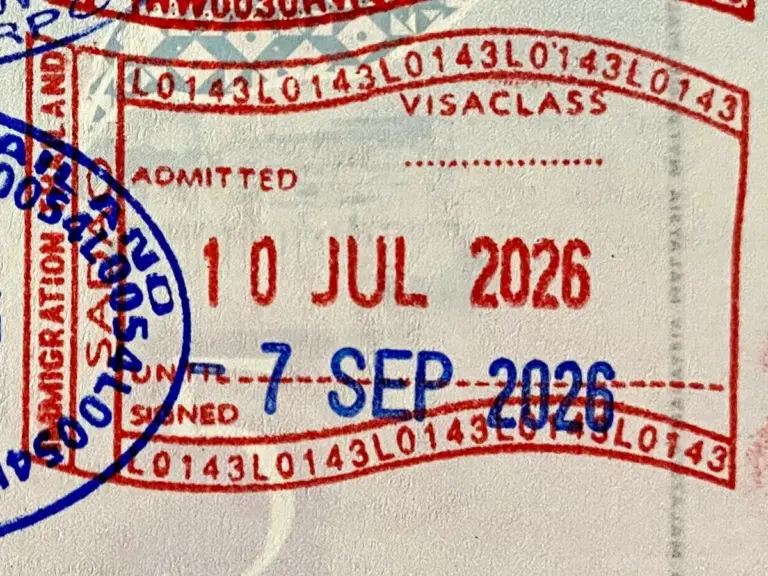
The Thailand TM30 report is the address notice that Thai law asks of whoever hosts a foreigner overnight. Most visitors never see it, because the hotel handles it. This guide explains who files it and how TM30 online and in-person filing work. It also covers the TM30 fine, what TM30 for tourists really means, and how the form differs from the 90-day report (TM30 vs TM47).
Quick answer: Under Section 38 of the Immigration Act of 1979, the owner, landlord or hotel manager must notify immigration within 24 hours of a foreigner's arrival, not the foreigner. According to secondary legal sources, the host's fine is up to 2,000 baht, or 2,000 to 10,000 baht for a hotel manager. However, tourists can still be affected. Some immigration offices ask for a TM30 receipt when you extend your stay. So, ask your accommodation whether it has filed, and keep the receipt. This is general information, not legal advice, and offices apply the rules differently.
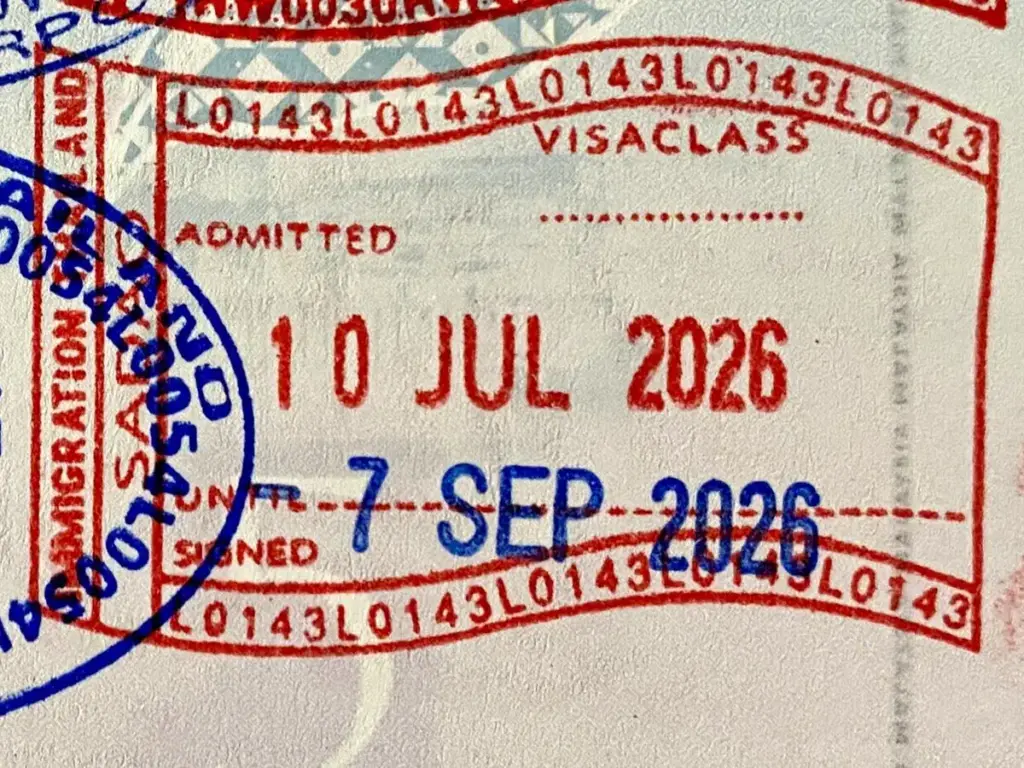
What is the Thailand TM30 report?
The Thailand TM30 report is a notification form, not a visa and not a permit. It tells the local immigration office where a foreign national is staying. Section 38 of the Immigration Act places the duty on the "house master, owner or possessor" of the place. In practice, that means a landlord, a host or a hotel manager.
The form lists each foreigner's passport details, arrival date and expected departure date. Tilleke & Gibbins, a Bangkok law firm, reported a Royal Thai Police notification of 16 June 2020, effective from 30 June 2020. It added the arrival and departure dates to the form. The same law firm says the 24-hour duty from the 1979 rules still applies.
In short, the Thailand TM30 report is about the address. Visa length, work permission and the entry stamp are separate matters, and our Thailand entry requirements guide covers them.
Who must file TM30 for tourists?
For tourists, the answer is simple: the host files, not you. Airbnb's help centre says property owners must notify immigration under Section 38. Hosts can use the online system, registered mail or in-person submission. Hotels and guesthouses normally handle this at check-in, so most travellers never fill in anything.
However, the picture is less tidy for private stays. Some landlords and small hosts do not file. Some visitors learn about it only when they apply for an extension. Therefore, treat TM30 for tourists as a short checklist rather than a worry.
- Hotel or resort stay. Ask the front desk whether the TM30 has been filed. Ask for a copy of the receipt if you plan to extend.
- Rented house or apartment. The landlord or owner is responsible, so ask them early.
- Staying with friends or family. The host should file, because the duty sits with the person who houses you.
- Moving between places. Each new address is a new stay, so each host reports separately.
For short trips of a few nights, you rarely need to do more for the Thailand TM30 report than that. For a longer stay, our Thailand visa for tourists guide explains the 30-day exemption. According to the Tourism Authority of Thailand (TAT), it applies from 15 September 2026.
Who files TM30 online and how?
The TM30 online route is aimed at hosts. A law firm summary says hosts can file at the local immigration office where the property sits. For Bangkok properties, they can file at the Immigration Bureau headquarters. The options are in person, by post, online (immigration.go.th) or through the Section38 mobile app, subject to each office's rules.
According to Airbnb's help page, the host usually needs the guest's passport details page, the arrival stamp page and the visa page or arrival card number. Arrivals now complete the Thailand Digital Arrival Card online. See our Thailand Digital Arrival Card guide for the process.
Some guides say a host must register in person once before using the online system. They also say agents file for a fee. These points come from private guides, not the Immigration Bureau, so confirm them with the office that covers the property.
How does the Thailand TM30 report deadline work?
The deadline is 24 hours from the foreigner's arrival at the address. The wording in the Act is strict. Pattaya Mail reported on 12 July 2026 that Rayong immigration officers reminded owners and operators of the 24-hour rule after an inspection.
What about returning from a trip abroad or a short domestic trip? Here sources differ. Tilleke & Gibbins describes the 2020 notification as removing the need to file again when the same foreigner returns to the same premises within the stay period. However, one 2026 visa-services guide says a new filing is needed after each return from abroad. It adds that some offices are more flexible than others. So, offices may interpret it differently, and the safest step is to ask the immigration office or your host.
What is the TM30 fine?
The TM30 fine falls on the host in the first place. According to a presentation from the Australian Chamber of Commerce in Thailand, Section 77 sets a fine not exceeding 2,000 baht for failing to comply with Section 38. Where the person responsible is a hotel manager, the fine is 2,000 to 10,000 baht. Airbnb's help page also mentions a fine of up to 2,000 baht. Practitioner sources describe actual fines as lower in many cases, but no official table was found.
Does the foreigner pay anything? The law puts the duty on the host. Even so, several visa guides report that some offices delay an extension or a 90-day report when no TM30 is on file. A few have asked the foreigner to cover the host's fine. These are practice reports, not official rules, and they vary by office.
What does TM30 mean when you extend your stay?
When you apply to extend a tourist stay, some immigration offices ask for a TM30 receipt along with the application. Our Thailand visa extension guide notes that not every office asks. Still, a copy from your accommodation is easy to collect while you are there.
Therefore, a simple habit helps. When you check in, ask whether the TM30 has been filed, and photograph the receipt. If your host is unhelpful, a nearby immigration office can tell you what it needs.
TM30 vs TM47: what is the difference?
TM30 vs TM47 confuses many travellers, but the two forms do different jobs.
| Form | What it reports | Who files | When |
|---|---|---|---|
| TM30 | Where a foreigner is staying | The host (owner, landlord, hotel manager) | Within 24 hours of arrival |
| TM47 (90-day report) | That a foreigner who has stayed over 90 days still lives at the address | The foreigner, or an authorised person | Within 7 days before or after the 90th day |
The Royal Thai Consulate in Los Angeles says a foreigner who stays more than 90 days must notify immigration every 90 days. The fine for a late or missed report is not less than 2,000 baht. That page does not mention TM30, so do not assume one replaces the other. Many tourists on a 30-day stay never reach a 90-day report. People on longer visas, such as the Thailand DTV visa, do.
What should you do about the Thailand TM30 report before you travel?
A short routine covers most cases. First, book accommodation that is clearly registered, and ask about TM30 at check-in. Then, keep digital copies of your passport, entry stamp and any receipt. Also, check the Immigration Bureau website before you extend, since forms and portals change. For wider context, our Thailand travel insurance and is Thailand safe guides cover the other practical checks.
Where to stay in Krabi if you continue south
If your plans end with a slow stay on the Andaman coast, Ao Luek is a calm first base. It is about 54 to 71 minutes by road from Krabi airport, depending on traffic. So, fly to Krabi first and then continue south. Our Krabi airport to Ao Luek guide covers the transfer.
At a glance: 17 houses from 1,200 to 2,000 baht per night, air conditioning in every house, free breakfast, free Wi-Fi and a swimming pool, at 97/1 Moo 1, Ao Luek Nuea, Krabi.
We recommend Ban Kamnan Resort in Ao Luek Nuea. For one or two guests, House #5 and #6 each have one 5 ft bed, one bathroom and 28 m². They cost 1,200 baht per night. Like every house, they have air conditioning. Also, guests share the swimming pool, and breakfast of toast, fried eggs and hot coffee is free. Prices match the resort's listing, so check your dates on Booking.com. As with any stay, ask your host about the TM30 receipt if you plan to extend.
Frequently asked questions
No, the duty sits with the host, such as the hotel manager or landlord. However, you can ask for the receipt, because some offices ask for it at extension time.
Yes. According to Tilleke & Gibbins, hosts can file online, in person or by post. Details vary by office.
Secondary legal sources put it at up to 2,000 baht for the host, or 2,000 to 10,000 baht for a hotel manager. No official table was found, so check with Immigration.
No. TM30 reports your address within 24 hours of arrival and is filed by the host. The 90-day report, on form TM47, is filed by the foreigner every 90 days.
Sources differ. The 2020 police notification removed re-filing at the same premises, but some guides say offices still ask. Ask your host or the local office.
Final thoughts
The Thailand TM30 report is mostly your host's job, but a few habits protect you. To sum up: ask whether it has been filed, keep the receipt, and check the Immigration Bureau before you extend. Then, when you want a calm base, check availability at Ban Kamnan Resort on Booking.com and plan your Krabi leg.
This is general information, not legal or visa advice. Rules and fines change, and offices apply them differently. So, confirm details with the Thai Immigration Bureau or the immigration office that serves your address. Sources: Tilleke & Gibbins, Airbnb Help Centre, Pattaya Mail, AustCham Thailand, the Royal Thai Consulate in Los Angeles, TAT.