

 Krit Ariyathiti
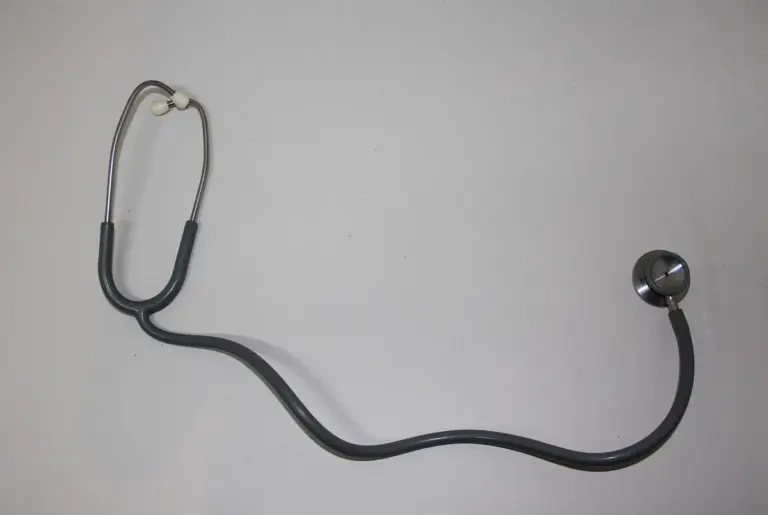
Medical tourism in Thailand means travelling to the country for planned treatment, such as dental work, a health check or surgery. The CDC lists lower cost, treatment not available at home and language among the reasons people consider medical tourism in Thailand. But a cheap quote is not the same as a safe plan. This guide explains how to research a hospital, the medical treatment visa Thailand offers, and what to check before dental tourism in Thailand or cosmetic surgery in Thailand. It also covers hospital accreditation in Thailand and how to plan aftercare. This is general information, not medical, legal or financial advice. Please talk to your own doctor first.
Quick answer: As of November 2026, the Thai embassy in Kuala Lumpur says a Tourist MT visa is for short treatment of under 60 days. A Non-Immigrant O medical visa is for treatment of more than 60 days. The embassy says to apply online at least 15 working days before travel and to ask the Immigration Bureau about extensions once in Thailand. Before you book, check the clinician's licence, the exact hospital campus and who handles follow-up care. The US CDC says infections are the most common complication for medical tourists, and that accreditation does not guarantee a good outcome.
Medical tourism in Thailand: a safe planning checklist
Start with the plan, not the price, when you look at medical tourism in Thailand. The US Centers for Disease Control and Prevention (CDC) defines medical tourism as travelling to another country for medical care. It lists lower cost, treatment not available at home and language as common reasons. However, the CDC also says that infections are the most common complications. It notes that blood clots, wound problems and poor cosmetic results can happen too.
So use this checklist before you pay a deposit:
- Talk to your own doctor first. The CDC says to do this well in advance, and a travel medicine visit 4 to 6 weeks before departure.
- Research the clinician and the facility. Check credentials, the exact campus and the specialist.
- Ask who handles follow-up. Get the fees and the plan in writing.
- Check insurance in writing. Ordinary travel insurance often excludes planned treatment, according to one guide.
- Keep records. Ask for full records in English and share them with your doctor at home.
Our expat health insurance Thailand guide explains how cover works, and Thailand travel insurance covers trip cover.
Medical treatment visa Thailand: MT and Non-O
The medical treatment visa Thailand offers depends on how long you will stay. The Thai embassy in Kuala Lumpur, on a page updated on 17 July 2026, splits it into two. The Tourist MT visa is for applicants seeking short treatment, with a stay of under 60 days. The Non-Immigrant O (medical) visa is for longer treatment, with a stay of more than 60 days. The page says the visa fee is non-refundable.
Also, one guide that cites the Thai embassy in London lists a single-entry medical O visa with a stay of up to 90 days. That guide says it needs a hospital appointment letter and financial evidence. Rules, fees and documents differ by embassy and passport, so confirm them with the embassy that handles your case or on the official e-Visa site, thaievisa.go.th. Our Thailand visa for tourists guide covers the short-stay basics, and Thailand visa extension explains extensions.
The Destination Thailand Visa is a different route. According to a Thai embassy page last updated on 18 August 2026, its Thai soft power category lists medical treatment among its activities. One guide says extra documents for some applicants took effect on 31 August 2026, so check the current list before you apply.
Hospital accreditation in Thailand: what it does and does not show
Hospital accreditation in Thailand is worth checking, but it is only one signal. One guide says that accreditation by Joint Commission International (JCI) can apply to a particular campus and can change, so check the live directory for the exact site. The CDC adds that you should look for internationally recognised accreditation and specialty certification, but that accreditation does not guarantee a good outcome.
Because of that, add three checks of your own. First, verify the doctor's licence through the Thai Medical Council's official search, as one guide advises. Second, confirm that the campus you will visit has the specialist and the equipment, since services can differ between branches. Third, ask for written answers on who performs the procedure, which complications are covered and what the refund terms are. For medical tourism in Thailand, our private hospitals in Thailand guide explains how the hospital types differ.
We do not quote patient numbers or accreditation counts here, because the sources we found disagree. The official directories are the place to look.
Dental tourism in Thailand: ask before you book
Dental tourism in Thailand follows the same rules as any other treatment. The CDC says dental care is the most common form of medical tourism among US residents, mostly because of cost and gaps in dental cover. It also warns that dentists abroad may not face the same licensing oversight as at home.
So ask for an itemised written quote that lists each tooth, the materials and the follow-up visits. One guide advises getting at least two dated, itemised quotes, and it warns that low headline prices can leave out tests, implants, medicines, anaesthesia and follow-up. Also, plan time for healing, because a crown or an implant can need more than one visit. A quote with no detail is a reason to ask more questions.
Cosmetic surgery in Thailand: the extra risks
Cosmetic surgery in Thailand carries the risks the CDC lists for any overseas surgery. These include infection, wound separation, contour problems and blood clots. The CDC also notes that some destinations market low-cost, all-inclusive cosmetic surgery vacations. Complications such as infection or revision surgery can raise the total cost.
Flying after surgery needs a plan too. The CDC says air travel and surgery each raise clot risk, and that patients should not fly for 10 days after chest or abdominal surgery. For facial, eyelid or nose procedures, it cites the American Society of Plastic Surgeons for a wait of 7 to 10 days. Therefore, ask your surgeon in writing when you can fly, and do not book your flight home before you have that answer. The CDC also says activities such as drinking alcohol, strenuous exercise or long tours can slow healing. So do not combine major treatment with a tight sightseeing plan.
Aftercare for medical tourism in Thailand: where to recover
Recovery matters as much as the procedure in medical tourism in Thailand. Ask for written aftercare instructions and a 24-hour emergency contact before you leave the hospital. Then stay close to your clinic until your doctor says you can travel, and avoid long trips in the first days.
Keep your sightseeing for after you are cleared, because the CDC says long tours can slow healing. Our is Thailand safe guide covers safety basics.
Where to stay: continue south to Krabi
Once your follow-up is finished and your doctor has cleared you to fly, you can continue south to Krabi for a quiet holiday, not for recovery. From Krabi airport, Ao Luek is about 54 to 71 minutes by road, according to transfer listings. See Krabi airport to Ao Luek for the drive, and Krabi on a budget for prices. A holiday base is not a medical facility, so keep your clinic's contact details with you.
At a glance: 17 houses from 1,200 to 2,000 baht per night, air conditioning in every house, free breakfast, free Wi-Fi and a swimming pool, at 97/1 Moo 1, Ao Luek Nuea, Krabi.
We recommend Ban Kamnan Resort in Ao Luek Nuea as a first base for a quiet holiday after you are cleared to fly. For two people, House #1 and #2 have one 5 ft bed, one bathroom and 42 m², and they sleep two for 1,800 baht per night. Like every house, they have air conditioning. Guests share the swimming pool, and breakfast of toast, fried eggs and hot coffee is free. Prices match the resort's listing, so check your dates on Booking.com.
Frequently asked questions
Medical tourism in Thailand can be safe, but it carries risks. The CDC says infections are the most common complications of medical tourism, so research the clinician, the facility and the follow-up plan before you go.
It depends on your passport and the length of treatment. A Thai embassy page says the Tourist MT visa is for under 60 days and the Non-Immigrant O medical visa for over 60 days. Check your embassy.
No. The CDC says accreditation does not guarantee a good outcome. Use it as one signal, and also check the doctor's licence and the exact campus.
It depends on the clinic and the plan. Ask for itemised quotes, the materials used and the follow-up visits, and compare at least two.
Ask your surgeon in writing. The CDC says not to fly for 10 days after chest or abdominal surgery, and 7 to 10 days is cited for some facial procedures.
Final thoughts
Medical tourism in Thailand works best with a plan: research the clinician, check the visa and the insurance, and agree on aftercare before you pay. Do not choose on price alone. This is general information, not medical advice, so speak to your doctor. Check availability at Ban Kamnan Resort on Booking.com if you want a calm base near Krabi afterwards.