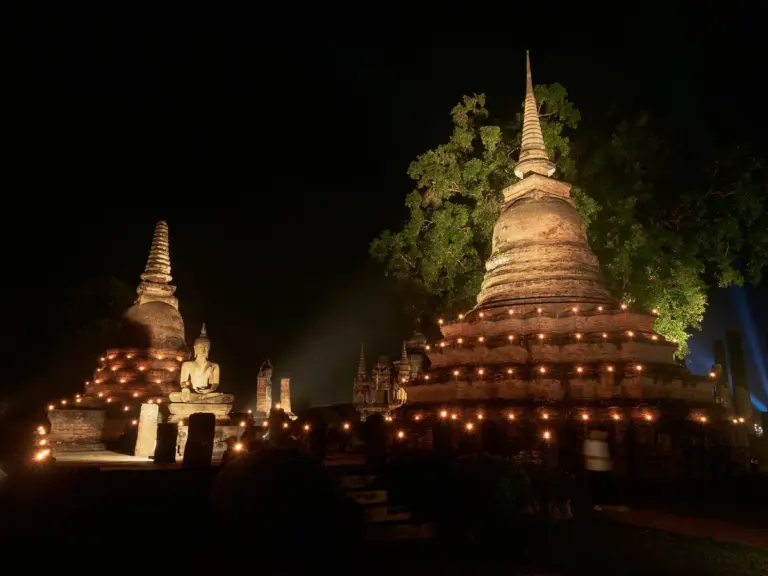


 Krit Ariyathiti
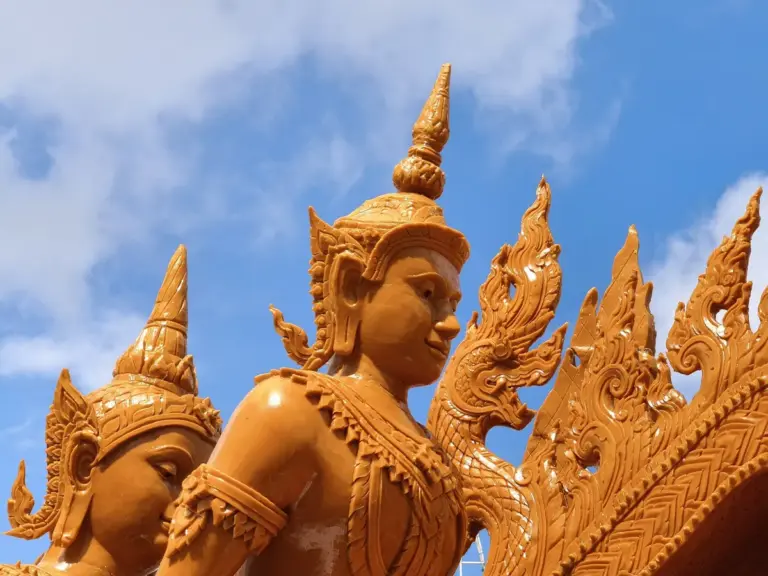
The Ubon Candle Festival is a Buddhist Lent parade in northeastern Thailand, where huge candles carved from wax ride through the city of Ubon Ratchathani on decorated floats. It is one of the country's most photogenic festivals, and it is much less crowded than the big beach and lantern events. This guide, a deeper look at one stop on our Thailand festivals calendar, explains the dates, the parade and Khao Phansa, how to reach Ubon Ratchathani and how to plan a trip around the event. Also, this guide covers Bangkok to Ubon Ratchathani travel and where to watch at Thung Si Mueang.
Quick answer: The Ubon Candle Festival is held every year around Khao Phansa, the first day of Buddhist Lent, so the dates move with the lunar calendar. In 2026 the Tourism Authority of Thailand (TAT) listed the festival for 25 to 31 July, with the main parade around 29 and 30 July at Thung Si Mueang park in the city centre. For 2027, calendars put Asalha Bucha on Sunday 18 July and Khao Phansa on Monday 19 July, so expect the main days around 17 to 19 July. However, the programme for 2027 was not announced as of November 2026, so confirm it with TAT before you book.
What is the Ubon Candle Festival?
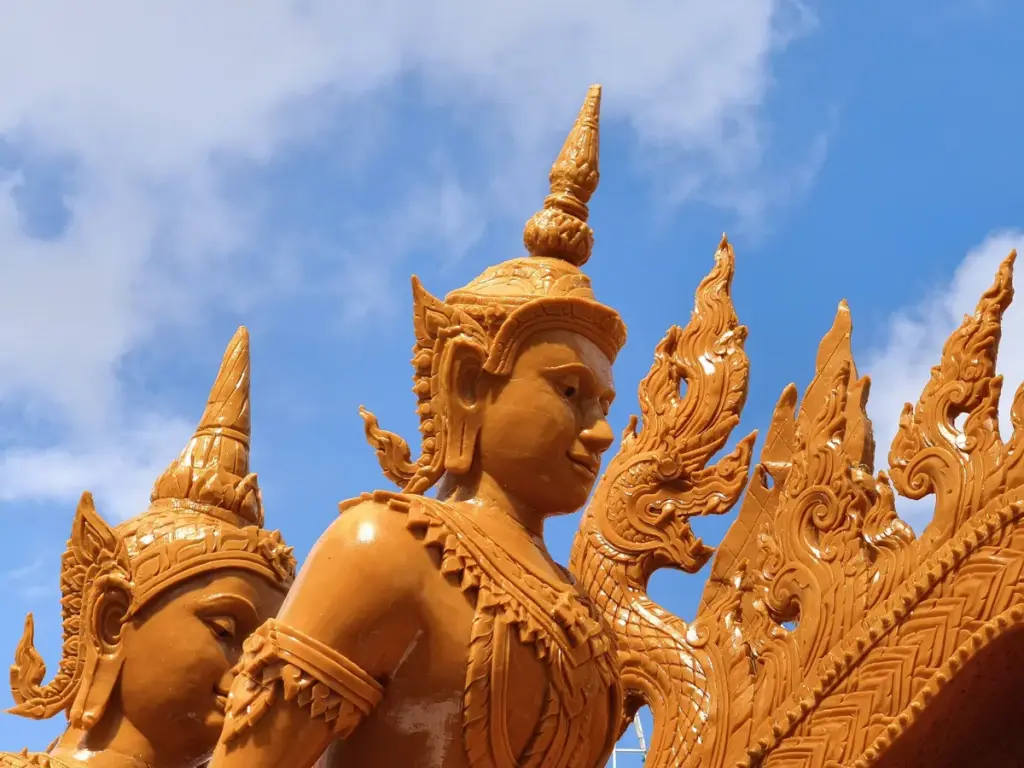
The Ubon Candle Festival grows out of a nationwide custom. On Khao Phansa, Thais offer candles to temples, because the light helps monks study during the three months of Buddhist Lent. In Ubon Ratchathani, temples and local communities turned this simple offering into a friendly contest. According to Thai Holiday Guide, the competition has been running for more than a century. As a result, today's candles are carved sculptures that stand several metres high.
TAT's 2026 announcement named the festival a Signature Thailand Event and called it the 125th anniversary edition. In other words, the Ubon Candle Festival is a long-running event with real local roots, not a show made for tourists. Even so, visitors are welcome, and entry to the main park is free according to Thai Holiday Guide.
When is Khao Phansa and the festival in 2027?
Khao Phansa follows Asalha Bucha Day by one day, and both fall on the full-moon cycle of the eighth lunar month. Because of that, the date changes every year. The table below shows what the sources say, so you can compare them.
| Year | Asalha Bucha | Khao Phansa | Festival window (hedged) |
|---|---|---|---|
| 2026 | Wed 29 July | Thu 30 July | 25 to 31 July per TAT; main days 28 to 30 July |
| 2027 | Sun 18 July | Mon 19 July | About 17 to 19 July per Thai Holiday Guide, unconfirmed |
For 2027, the Time Out list of official Thai public holidays shows Sunday 18 July as Asalha Bucha and Monday 19 July as Buddhist Lent Day. However, one holiday site lists Buddhist Lent on 20 July, so sources do not fully agree. Therefore, treat the window above as a plan, not a promise. Check the TAT programme at tourismthailand.org or call the TAT Contact Centre on 1672 about a month before you travel.
What happens at the parade?
The Ubon Candle Festival parade has several parts, so the 2026 programme shows how they fit together.
- Candle gathering. On the first evening, the candles are brought to Thung Si Mueang. In 2026 there were 47 entries, one showcase candle and 46 competition pieces, in three styles: traditional, moulded wax and carved wax.
- Procession and parade. The main procession starts in the morning, at 08:29 on 29 July 2026 and again on 30 July for the official opening. A royally bestowed Lent candle and bathing cloth are carried, followed by the floats.
- Dance troupes. More than 37 troupes from temples and schools perform along the route, according to TAT.
- Evening shows. In 2026, light-and-sound shows ran at 19:00 at Wat Si Ubon Rattanaram and Lan Khwan Mueang.
- Display days. Award-winning candles stayed on show on 31 July and 1 August, which is a quieter time for photos.
How are the candles made?
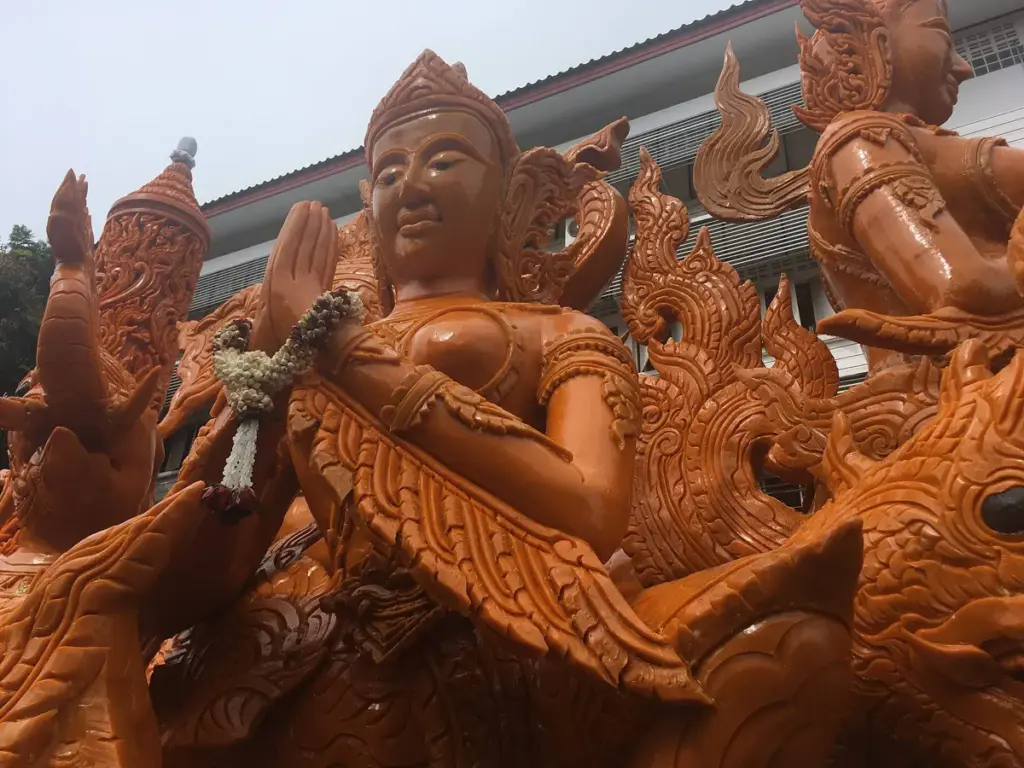
Because they take months to make, the big floats are the heart of the Ubon Candle Festival. Skilled artisans carve beeswax forms over months, and they mount them on floats with tall, detailed figures. Subjects are mostly Buddhist, such as Jataka tales, scenes from the Buddha's life, protective figures and nagas. Moreover, TAT's 2026 programme added hands-on spaces for candle carving, wax-flower making and gold-leaf decoration, and temple communities opened for visitors in the weeks before. So, if you arrive early, you can watch the craft as well as the parade.
Bangkok to Ubon Ratchathani: how to get there
Ubon Ratchathani sits in the far east of the Isan region, roughly 575 km from Bangkok by rail and close to 600 km by road, according to Visit Thailand Today. However, flying is the easy choice.
| Option | Time (hedged) | Cost (hedged) | Notes |
|---|---|---|---|
| Flight from Bangkok | About 1 h 5 min to 1 h 25 min | Roughly 1,250 to 2,400 baht one way | About a dozen flights a day; Don Mueang and Suvarnabhumi |
| Day train No. 21 | About 7 h 50 min | About 495 baht, 2nd-class seat | Leaves Krung Thep Aphiwat about 06:10 |
| Sleeper train No. 23 | About 9 h 35 min | About 881 to 981 baht, 2nd-class berth | Leaves about 21:05, arrives about 06:40 |
| Bus from Mo Chit | About 8.5 to 10 h | Roughly 524 to 846 baht | Late buses can arrive at 02:00 to 04:30 |
Ubon's airport is only about 3.4 km from the centre. However, festival weekends sell out early, so book flights and trains as soon as dates are announced. Also, our guide to train travel in Thailand explains how to buy tickets, and our guide to domestic flights in Thailand covers baggage rules and airports.
Where to watch at Thung Si Mueang and how to plan the day
Next, remember that the park is narrow, so floats look best from a distance with a wide-angle lens or a phone in portrait mode. For example, TAT listed more than 5,000 free seats at viewing points in 2026, including Wat Si Ubon Rattanaram and Lan Khwan Mueang. Here are some simple steps.
- Book a room early. Thai Holiday Guide advises reserving at least a month ahead.
- See the floats the night before. They are parked in the park, and the crowds are thinner.
- Arrive early on parade morning. The processions start around 08:30.
- Bring water and a hat. July is hot and showers are common.
- Stay for an evening show. The light-and-sound programmes start at 19:00.
Because Asalha Bucha and Khao Phansa are Buddhist holy days, alcohol sales are banned nationwide on both days, with limited exceptions for licensed hotels and some tourist venues. So, plan dinner and drinks around that rule.
What else is there to see in Ubon Ratchathani?
Moreover, the city has plenty to fill a long weekend once the Ubon Candle Festival parade ends.
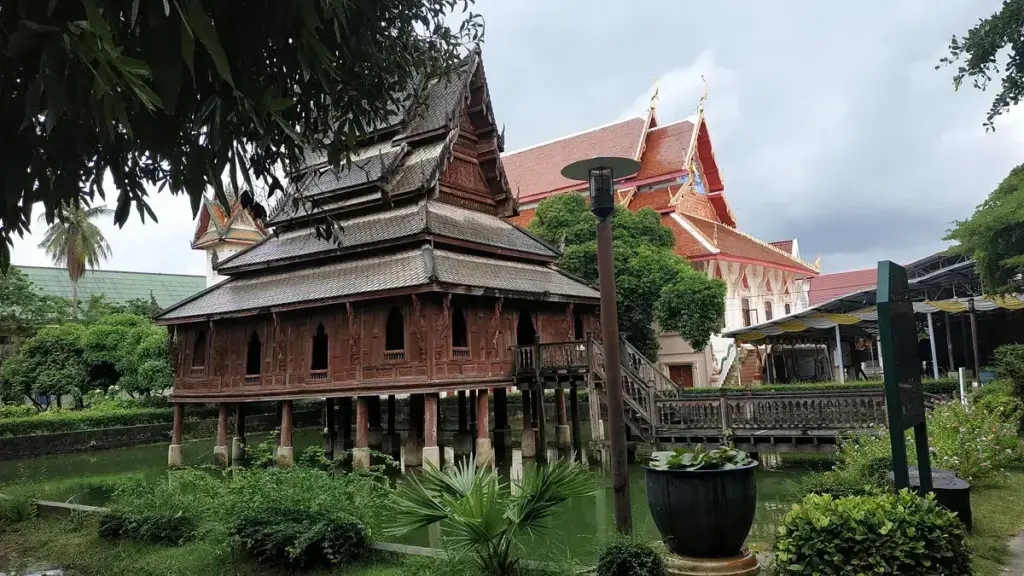
- Wat Thung Sri Mueang. This temple near the city centre is known for a wooden library hall standing in a pond.
- Wat Phra That Nong Bua. A temple with a tall, detailed chedi, listed among the city's top temples.
- Wat Nong Pah Pong. A forest monastery connected with the teacher Ajahn Chah, just south of the city. Dress modestly and be quiet.
- Pha Taem National Park. A cliff on the Mekong with ancient rock paintings, and sunrise is the highlight.
What should you know before you go?
Finally, several practical points make the trip smoother.
- Dress respectfully. Cover shoulders and knees at temples.
- Watch ordinations quietly. Many young men ordain before Lent, and processions are held in the days before Khao Phansa.
- Check visas. As of November 2026, travellers from 60 countries can enter visa-free for 30 days, according to TAT. See Thailand visa for tourists for details.
- Compare the Ubon Candle Festival with other events. For lanterns, see the Yi Peng lantern festival. For water fights, see the Songkran festival.
After Ubon: continue south to Krabi
Ubon is in the northeast, far from the Andaman Sea. However, July is a good moment to head south afterwards, because the green season brings quiet beaches and lower prices. A practical route is to fly back to Bangkok and then onward to Krabi; our Bangkok to Krabi guide compares the options. From Krabi airport, the drive to Ao Luek takes about 54 to 71 minutes by road, depending on traffic, and our Krabi airport to Ao Luek post explains the transfer. In short, treat Krabi as a calm second chapter after a busy festival.
At a glance: 17 houses from 1,200 to 2,000 baht per night, air conditioning in every house, free breakfast, free Wi-Fi and a swimming pool, at 97/1 Moo 1, Ao Luek Nuea, Krabi.
We recommend Ban Kamnan Resort in Ao Luek Nuea for a quiet first base. For two travellers, House #E, #F and #G each have one 6 ft bed, one bathroom and 35 m², and they cost 1,350 baht per night. Like every house, they have air conditioning. Also, guests share the swimming pool, and breakfast of toast, fried eggs and hot coffee is free. Prices match the resort's listing, so check your dates on Booking.com.
Frequently asked questions
It follows Khao Phansa each year. In 2026 TAT listed 25 to 31 July. For 2027, expect about 17 to 19 July, but confirm with TAT.
Thai Holiday Guide says entry to the main park is free. TAT also listed more than 5,000 free seats at viewing points in 2026. However, check the TAT programme for any changes.
Fly in about 1 hour 5 to 1 hour 25 minutes, take an overnight train in about 9 to 11 hours, or take a bus in about 8.5 to 10 hours. Times vary, so check before booking.
Khao Phansa is the first day of Buddhist Lent, a three-month retreat for monks. Thais visit temples, make merit and offer candles.
Alcohol sales are banned nationwide on Asalha Bucha and Khao Phansa, with limited exceptions for licensed hotels and some tourist venues. Ask at your hotel.
Final thoughts
The Ubon Candle Festival shows Thai craft and faith at human scale. To sum up: pick the Khao Phansa window, book a flight or sleeper train early, see the floats the night before and join the morning parade. Then, continue south for a calm stay near Krabi. Check availability at Ban Kamnan Resort on Booking.com and plan a slow week after the festival.
This is general travel information. Dates and programmes change, so confirm them with the Tourism Authority of Thailand.