

 Krit Ariyathiti
A Chiang Mai cooking class is one of the easiest ways to learn northern Thai food, because most schools bundle a market visit, hands-on cooking and a meal you eat at the end. This guide explains what happens in a typical cooking class with market tour, how a Chiang Mai organic farm cooking class differs, what a Thai cooking class for beginners covers, and how to book a vegetarian cooking class Chiang Mai kitchens can handle. So you can pick a class that fits your day, your diet and your budget.
Quick answer: A half-day Chiang Mai cooking class usually lasts about 3 to 4 hours and covers four or five dishes. As of November 2026, one guide puts half-day classes at about 900 to 1,400 baht per person, and one school's own page lists 1,000 baht for a group class. Farm-based and full-day classes cost more. Prices, inclusions and market stops vary by school, so check the school's own page before you pay.
What happens in a Chiang Mai cooking class?
Most Chiang Mai cooking class schedules follow the same rhythm. First, a driver collects you from your hotel, and a guide walks you through a fresh market. Then you reach the kitchen, where each student gets a wok, a chopping board and a gas burner. Finally, you sit down and eat what you cooked.
According to Chiang Mai Trip's guide, a typical morning starts with pickup at about 8:00 to 8:30, a 30 to 45 minute market segment and then cooking at paired or individual stations. Classes usually end in the early to mid afternoon. However, afternoon and evening classes often skip the market, so check the schedule if the market matters to you.
Also expect to take home a recipe booklet. Most schools print or send one, so you can repeat the dishes at home.
Cooking class with market tour: what to expect
A cooking class with market tour starts with ingredients, not recipes. Your teacher shows you herbs, curry pastes, rice types and vegetables, and explains what goes into each dish. In Chiang Mai, guides mention Warorot Market for this stop, and most list it as open from about 06:00 to 18:00. Other schools use a smaller neighbourhood market.
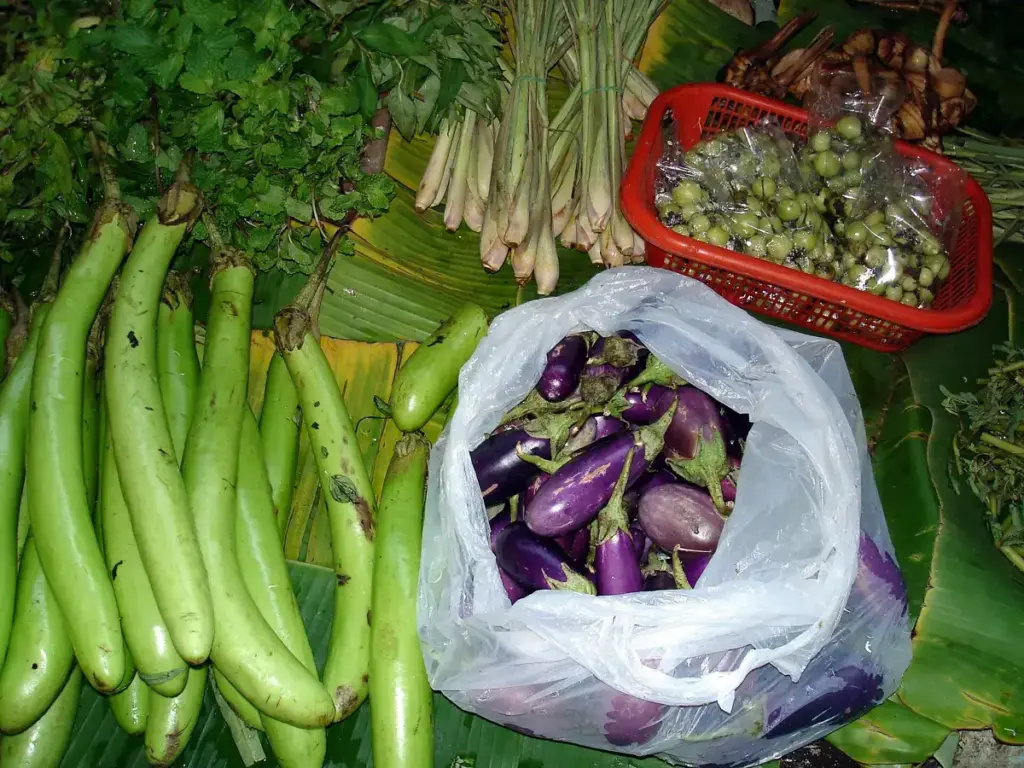
The length of the market stop varies a lot. One guide says some schools give you 45 minutes, while others give only 10 to 15 minutes. So, ask how long the market part lasts before you book. Also note that Cookly warns that some classes visit the market only in the morning session.
Useful things to look for are small, simple and local:
- Lemongrass, galangal and kaffir lime leaves. The base of most Thai pastes.
- Sai ua sausage and bamboo shoots. Northern ingredients you will not find in every Thai region.
- Fresh noodles and rice. Your teacher may show how sticky rice differs from jasmine rice.
If you like markets, add Chiang Mai food guide to your plan for a free afternoon.
Chiang Mai organic farm cooking class: is it worth the drive?
A Chiang Mai organic farm cooking class moves part of the lesson outside the city. According to Chiang Mai Trip, farm classes sit roughly 20 to 40 minutes from the centre and let you pick lemongrass, kaffir lime leaves and chillies yourself. As a result, you see where the herbs come from before you cook with them.
The trade-off for a farm class is time and price. The same guide gives about 1,200 to 1,800 baht for a full-day or farm-based class, and classes can run 6 to 8 hours. In addition, some guides note that haze in the burning season, about February to April, can affect outdoor parts of a farm visit. So, if you only have a morning, a city class with a market stop may be easier to fit in.
Choose a farm class if you want a longer day, more garden time and a bigger lunch. Choose a city class if you want a short, flexible plan around sightseeing in the Old City.
Thai cooking class for beginners: dishes you can learn
A Thai cooking class for beginners does not need any kitchen skill. Teachers expect people to arrive with no experience, and many let you pick two or three dishes from a set menu. Guides list the same core dishes again and again:
| Course | Typical choices |
|---|---|
| Curry | Red, green or massaman curry |
| Stir-fry | Cashew chicken or pad kra pao |
| Soup | Tom yum or tom kha |
| Noodles | Pad thai, or khao soi at some schools |
| Dessert | Mango sticky rice |
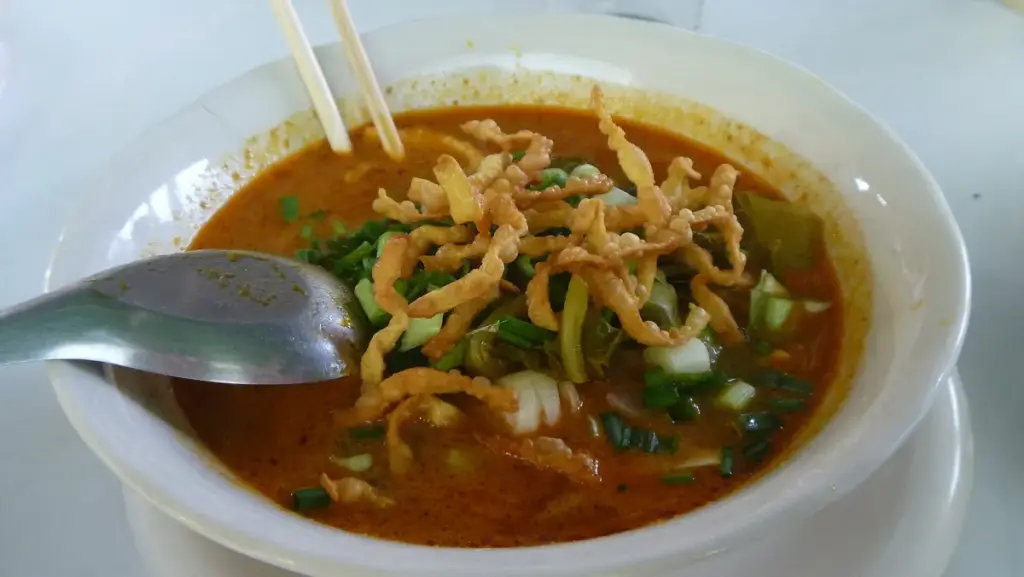
For example, khao soi is the dish most tied to the north. According to Wikipedia, it is a noodle soup with a coconut curry broth and egg noodles, topped with crispy fried noodles. Chiang Mai Trip suggests choosing a school that teaches it. Meanwhile, if you want a dish from the south, read about southern Thai food or learn pad thai first.
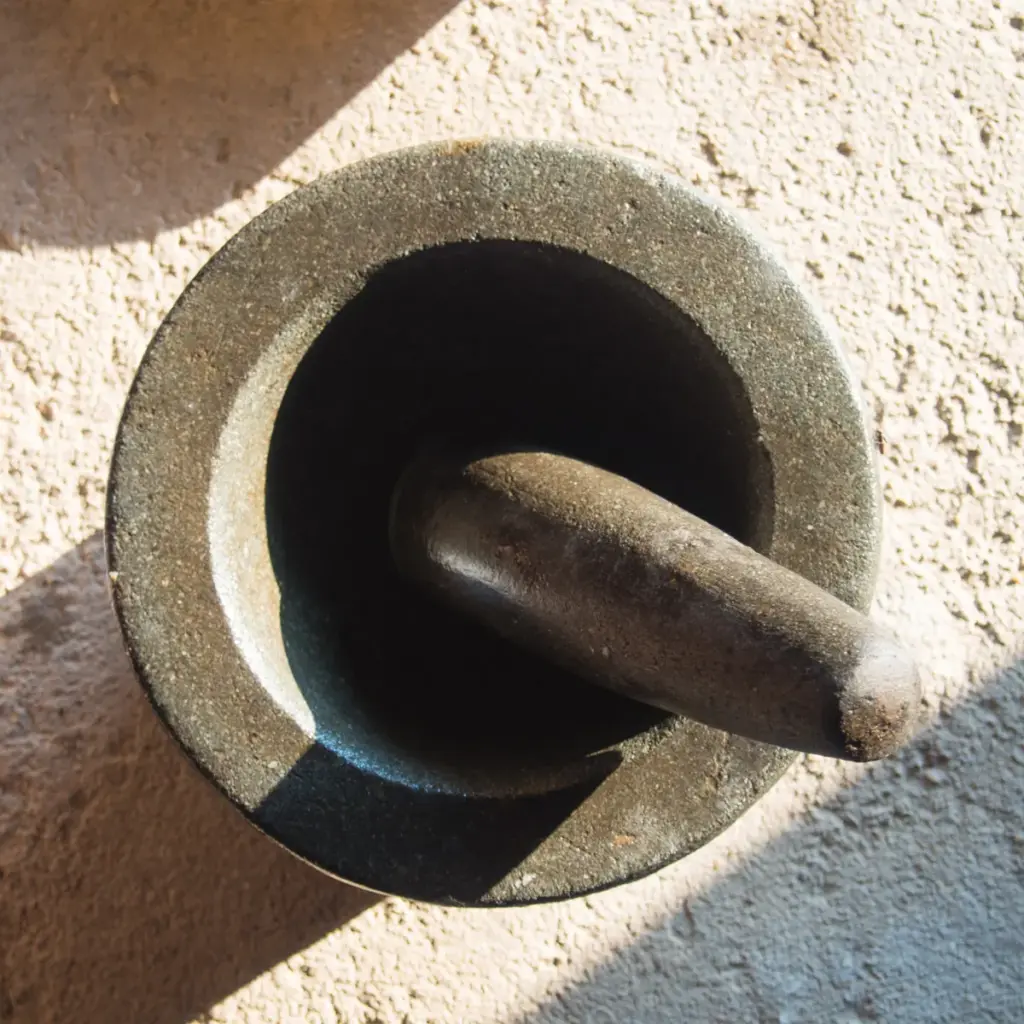
Look for a class where you pound the curry paste in a mortar, instead of using ready-made paste. One guide says this takes about 10 to 15 minutes, and it is the part that teaches you the most. Also wear clothes you do not mind splashing, and bring a reusable water bottle.
How much does a Chiang Mai cooking class cost?
Chiang Mai cooking class prices differ by source, so treat every number below as a range for November 2026.
| Class type | Range | Source |
|---|---|---|
| Half-day group class | About 900 to 1,400 baht | Chiang Mai Trip guide |
| Half-day group class | 1,000 baht | One school's own price page, updated 5 Nov 2026 |
| Full-day or farm class | About 1,200 to 1,800 baht | Chiang Mai Trip guide |
| Private class | About 1,800 to 2,500 baht | School page and guide |
| Booking-site listings | USD 29 to 121 | Cookly, 29 classes |
Cookly says most of the 29 listed classes fall between USD 29 and 55. However, listings in dollars and school pages in baht are not always the same price, so compare both. Also check what is included: hotel pickup, market, ingredients, the meal and a recipe booklet are the usual items. One school adds a fee for friends who watch but do not cook, so ask about that.
Vegetarian cooking class Chiang Mai: how to book one
A vegetarian cooking class Chiang Mai schools offer is easy to arrange if you ask early. According to Chiang Mai Trip, most schools can swap tofu for meat and soy sauce for fish sauce. However, standard curry paste often contains shrimp paste, so a vegan class needs a separate paste. Tell the school when you book, not on the morning itself.
If you have an allergy, say so clearly. Shellfish and peanuts are common in Thai cooking, so ask how the school handles shared woks and pastes. This is general information, not medical advice, and your own doctor is the right person for allergy questions.
How to choose a Chiang Mai cooking class
Choosing a Chiang Mai cooking class works best by criteria, not names. Good questions to ask any school are:
- How big is the group? One guide suggests under 12 people.
- How long is the market stop? A real walk-through beats a quick pass.
- Is the paste made by hand? Mortar work teaches the most.
- What is included? Pickup, ingredients, meal and recipe booklet.
- What is the cancellation policy? Check it on the booking page, because guides do not state one.
Also check recent reviews on more than one site, since a score from a single platform can mislead.
When to book and what to bring
In the cool season, about November to February, Chiang Mai Trip says popular slots can fill a week or more ahead, especially on weekends. In the rainy season, same-day booking is often possible. So, book early for a weekend morning in December and relax in June.
Bring a hat, comfortable shoes and cash for tips or extras. Also confirm that your hotel is inside the pickup zone, because outlying hotels may need a meeting point. For more ideas around the city, see things to do in Chiang Mai, where to stay in Chiang Mai and Chiang Mai on a budget.
Where to stay after Chiang Mai
A Chiang Mai cooking class works well as a first slow day in Thailand. When you are ready for the sea, continue south to Krabi. Fly to Krabi airport, and Ao Luek is about 54 to 71 minutes by road, depending on traffic. Read Krabi airport to Ao Luek for the transfer, and take another lesson with our Thai cooking class in Krabi guide.
At a glance: 17 houses from 1,200 to 2,000 baht per night, air conditioning in every house, free breakfast, free Wi-Fi and a swimming pool, at 97/1 Moo 1, Ao Luek Nuea, Krabi.
We recommend Ban Kamnan Resort in Ao Luek Nuea as a calm first base near Krabi. For two people, House #5 and #6 each have one 5 ft bed, one bathroom and 28 m², and they sleep two for 1,200 baht per night. Like every house, they have air conditioning. Also, guests share the resort's swimming pool, and breakfast of toast, fried eggs and hot coffee is free. Prices match the resort's listing, so check your dates on Booking.com.
Frequently asked questions
A half-day class usually takes about 3 to 4 hours, while a full-day or farm class can take 6 to 8 hours, according to Chiang Mai Trip. Morning classes often include the market.
As of November 2026, guides and one school's page put a half-day group class at about 900 to 1,400 baht per person. Farm, full-day and private classes cost more, so check the school's own price page.
No. A Thai cooking class for beginners is the usual format, and teachers guide you step by step. You will often choose two or three dishes from a set list.
Yes, most schools can adapt a menu if you tell them when you book. Ask for a separate curry paste, because standard paste often contains shrimp paste.
It depends on your day. A farm class gives more time with fresh herbs and a bigger lunch, while a city class is shorter and easier to fit around sightseeing.
Final thoughts
A Chiang Mai cooking class is a calm, tasty way to spend half a day. To sum up: ask about the market stop, group size and what is included, tell the school about any diet or allergy early, and treat every price as a range for November 2026. Then continue south to Krabi for beaches and springs. Check availability at Ban Kamnan Resort on Booking.com and plan your next leg.